Introduction
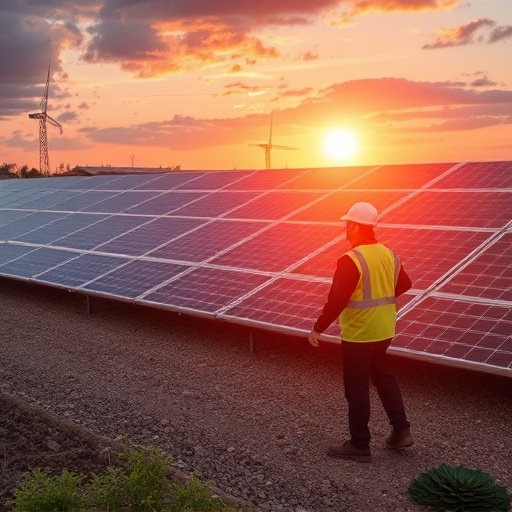
Solar energy has emerged as a pivotal source of renewable power, capturing the sun’s rays to generate electricity and thermal energy. Its relevance stems from its abundant availability, minimal environmental impact during operation, and potential to significantly reduce greenhouse gas emissions. As we delve into the world of solar-energy, readers will uncover the intricacies of this clean power source, its global impact, economic implications, technological advancements, and the policies that shape its future.
Understanding Solar-Energy
Solar energy harnesses the sun’s radiation using photovoltaic (PV) cells or solar thermal collectors. The core components of a solar power system include solar panels, an inverter (for PV systems), a charge controller (for solar thermal systems), batteries for storage (if needed), and wiring to connect these elements.
The history of solar-energy dates back to the 19th century when scientific experiments demonstrated the photoelectric effect. However, it wasn’t until the 20th century that practical applications emerged, leading to the first solar cells developed by Bell Labs in the 1950s. Since then, solar technology has evolved from expensive, low-efficiency panels to high-efficiency, cost-effective solutions that are transforming energy landscapes worldwide.
Solar energy’s significance lies in its potential to meet a substantial portion of global energy needs sustainably. It can be deployed at various scales, from small residential setups to large utility-scale power plants, and has the capability to electrify remote areas, power satellites, and support heating and cooling systems.
Global Impact and Trends
The global solar-energy market has seen exponential growth, with an increasing number of countries integrating it into their energy portfolios. The International Energy Agency (IEA) reports that solar power capacity grew by 14.8% in 2021, reaching a total of approximately 735 gigawatts (GW). This growth is driven by technological advancements, declining costs, and the urgent need to mitigate climate change.
Different regions are affected by solar trends in unique ways. For instance, the Middle East and North Africa (MENA) region, with its high solar irradiance, has some of the world’s highest solar capacities per capita. Countries like Saudi Arabia and the United Arab Emirates are investing heavily in solar to diversify their energy sources.
In Europe and the Americas, solar energy is becoming increasingly competitive with fossil fuels, supported by favorable policies and a push towards decarbonization. China remains a significant player, not only as a producer of solar panels but also as a large-scale adopter of solar technology.
Economic Considerations
The economic aspects of solar-energy are multifaceted, influencing energy markets, investment patterns, and the overall energy mix. The cost of solar technology has plummeted over the past decade, making it one of the most cost-competitive sources of energy in many parts of the world. This cost reduction is primarily due to technological advancements, economies of scale, and competitive market dynamics.
Investment in solar projects has been a boon for economic development, creating jobs and stimulating growth in sectors like manufacturing, construction, and maintenance. Solar-energy also offers a hedge against fuel price volatility, as sunlight is free and abundant.
However, the integration of solar energy into existing power grids requires significant investment in infrastructure and grid management technologies to handle the intermittent nature of solar power. Moreover, policy frameworks that support renewable energy through incentives, tax credits, and feed-in tariffs play a crucial role in the economic viability of solar projects.
Technological Advancements
The technological evolution of solar-energy is marked by several key advancements:
-
Photovoltaic Efficiency: Researchers have increased the efficiency of PV cells, with some achieving over 25% efficiency. This leap in efficiency means more electricity can be generated from a given area of solar panels.
-
Solar Energy Storage: Advancements in battery technology are addressing the challenge of energy storage, allowing for the use of solar power even when the sun isn’t shining. Innovations like flow batteries and solid-state batteries promise to enhance storage capacity and reduce costs.
-
Bifacial Solar Panels: These panels can capture sunlight from both sides, increasing their energy yield and efficiency.
-
Floating Photovoltaics (FPV): FPV systems are installed on bodies of water, conserving land space and reducing water evaporation and algae growth.
-
Building-Integrated Photovoltaics (BIPV): BIPV integrates solar cells directly into building materials, turning buildings into power generators.
-
Perovskite Solar Cells: These cells offer higher efficiencies and lower production costs compared to traditional silicon cells. However, they are still under development for commercial use due to durability concerns.
Future potential includes the integration of solar energy with artificial intelligence for optimized energy production and predictive maintenance, as well as the development of quantum dot solar cells.
Policy and Regulation
Global solar-energy growth is influenced by a mix of supportive policies and regulatory frameworks. The European Union’s Green Deal and various member states’ renewable energy targets are driving investment in solar. Similarly, the United States has implemented tax credits under the Inflation Reduction Act to boost solar deployment.
China’s policy approach has been instrumental in its rapid expansion of solar capacity, with clear targets for solar installation and support for research and development. India’s National Solar Mission aims to achieve 100 GW of solar power by 2022.
Effective regulatory frameworks that streamline permitting processes, offer stable policy environments, and provide incentives for renewable energy are critical for the continued growth of the solar sector.
Case Studies
-
United States: The US has seen significant growth in utility-scale solar farms and rooftop installations, with states like California leading the way. Innovative financing models, such as power purchase agreements (PPAs), have facilitated this expansion.
-
China: China’s solar capacity more than tripled between 2015 and 2020, largely due to government incentives and targets for clean energy consumption.
-
India: India’s aggressive solar targets have led to the creation of large-scale solar parks and the adoption of rooftop solar systems across residential and commercial buildings.
-
MENA Region: Countries like Saudi Arabia and the UAE are investing in mega-solar projects, leveraging their high solar irradiance levels to become global leaders in solar energy production per capita.
Social Impact
Solar-energy projects can have a positive social impact by creating local jobs, reducing electricity costs for consumers, and promoting energy independence. They also offer opportunities for communities to engage with clean energy technologies, including educational programs and community-owned solar initiatives.
The social acceptance of solar projects is crucial for their success. Engaging with local communities, ensuring fair labor practices, and demonstrating the benefits of solar energy can help overcome any resistance and foster a supportive environment for solar development.
Challenges and Considerations
Despite its many advantages, solar-energy faces several challenges:
-
Intermittency: Solar power is not continuously available; it must be integrated with energy storage solutions or combined with other energy sources to ensure a reliable electricity supply.
-
Resource Availability: While sunlight is abundant, the best locations for large-scale solar farms are limited by geography and land use. Innovations like agrivoltaics—integrating solar panels with agricultural land—are addressing this issue.
-
Infrastructure: Upgrading existing power grids to handle increased solar capacity requires significant investment. Smart grid technologies can help manage the distributed nature of solar power.
-
Market Dynamics: Competition from other renewable sources, like wind and nuclear, and the fossil fuel industry can influence the development of solar projects.
-
Policy and Regulatory Barriers: Uncertain policy environments and bureaucratic hurdles can delay or halt solar projects. Clear, stable policies are essential for long-term investment certainty.
Future Outlook
The future of solar-energy looks promising as technology continues to advance and costs continue to fall. The goal of many countries is to achieve grid parity, where the cost of electricity from solar is equal to or less than that from conventional sources. With ongoing research and development, the integration of artificial intelligence, and supportive policies, solar-energy is expected to play a significant role in the global transition to renewable energy sources.
The potential for solar-energy to expand into new markets and applications is vast. Innovations in materials science, energy storage, and system integration will further enhance its efficiency and reliability. As the world increasingly recognizes the importance of sustainable energy solutions, solar-energy stands out as a key technology for meeting future energy demands while mitigating the impacts of climate change.
Conclusion
Solar-energy has come a long way since its early scientific experiments and has become a cornerstone of the global transition to renewable energy. Its economic, social, and environmental benefits are clear, but challenges remain in terms of resource availability, intermittency, and policy certainty. As we look to the future, solar-energy’s trajectory is one of continued growth, innovation, and impact, with the potential to reshape our energy landscape and contribute significantly to a sustainable planet. The ongoing commitment to research, development, and supportive policies will be critical in realizing solar-energy’s full potential.
Understanding individual energy needs is key to creating optimized solar energy solutions. By assessing daily usage, peak demands, available space, and specific requirements like heating or cooling, professionals design systems that precisely match demand. This personalized approach leverages advancements in solar technology, offering flexible options from rooftop panels to ground-mounted arrays for optimal efficiency and accessibility. After installation, proper maintenance and monitoring ensure maximum performance, with customizable solutions allowing homeowners to adapt to changing energy needs and integrate new technologies like battery storage.
“Unleash the power of the sun with customizable solar energy solutions tailored to your unique needs. In today’s sustainable landscape, embracing renewable energy is not just an eco-conscious choice but a strategic decision. This comprehensive guide navigates you through the process, from understanding your energy consumption patterns to exploring diverse solar technologies and designing efficient solar systems. We’ll delve into installation best practices and highlight future flexibility, ensuring optimal performance and peace of mind.”
Understanding Your Energy Needs: The First Step Towards Customization
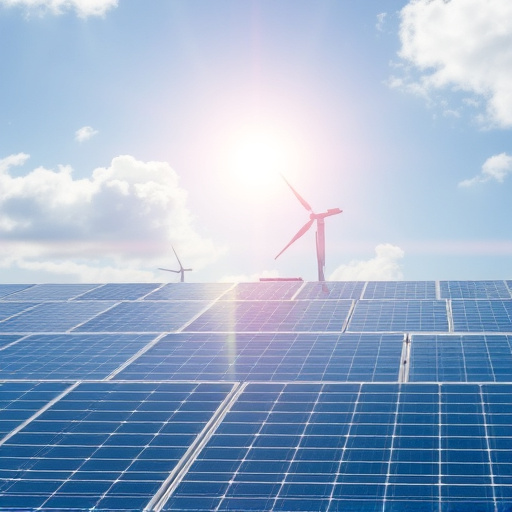
Understanding your energy needs is the foundation for creating a truly customized solar energy solution. Every home or business has unique power requirements, and solar systems should be designed to match these demands precisely. This initial step involves assessing factors like daily electricity usage, peak demand times, available roof space (or land area for larger-scale installations), and any specific requirements such as heating or cooling needs.
By accurately evaluating these aspects, professionals can tailor a solar energy setup that optimizes efficiency and provides the exact amount of power required, ensuring maximum return on investment. This personalized approach is what sets customizable solar solutions apart, allowing property owners to embrace renewable energy on their terms.
Exploring Solar Technology: Options Abound for Personalized Solutions
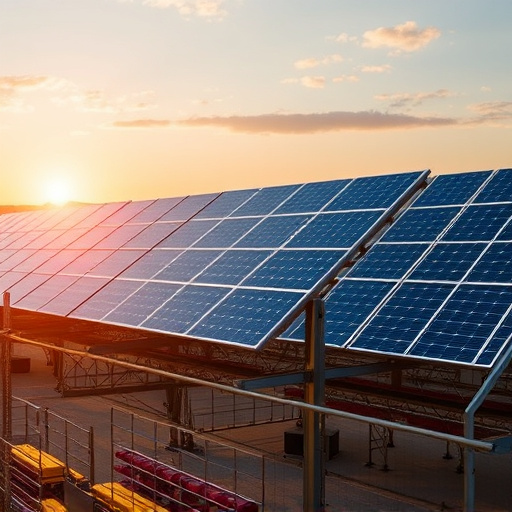
The world of solar energy is an ever-evolving landscape, offering a plethora of options for those seeking customizable solutions. With advancements in technology, individuals and businesses now have access to various solar energy systems designed to cater to unique requirements. From rooftop panels to ground-mounted arrays, each installation can be tailored to specific needs, ensuring optimal energy production and efficiency.
Exploring these diverse options allows for personalized approaches to harnessing solar power. Whether it’s the space available, budget constraints, or specific energy demands, there’s a solar technology suited for every scenario. Customizable solutions mean that the once-rigid boundaries of solar adoption are now flexible, making renewable energy accessible and attractive to a broader range of consumers.
Designing a Solar System: Matching Power Output to Demands

When designing a solar energy system, the primary goal is to match the power output to your specific demands. This involves assessing your energy consumption patterns and calculating the required solar panels to meet those needs. Each home or business has unique requirements, so a tailored approach is essential.
By understanding your daily energy usage, peak demand times, and space availability, solar experts can recommend the most suitable solar panel configuration. This ensures that the installed system generates enough electricity to cover your consumption, potentially even providing excess power back to the grid. The beauty of customizable solar solutions lies in their ability to adapt to various scenarios, whether you’re a family seeking to reduce utility bills or a business aiming for energy independence.
Installation and Beyond: Ensuring Optimal Performance and Future Flexibility
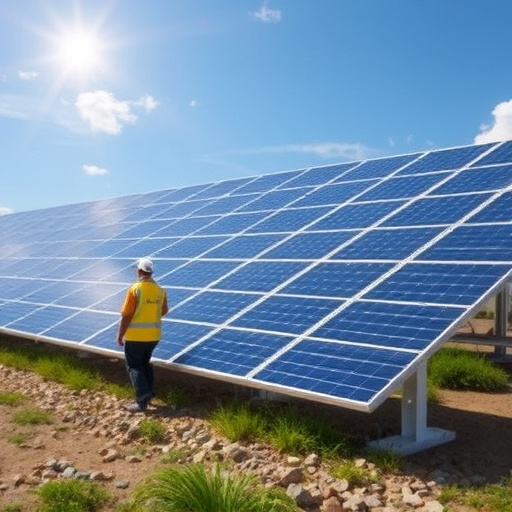
After the initial installation of a solar energy system, proper maintenance and monitoring are crucial for optimal performance. Regular checks ensure that panels are clean and free from obstructions, allowing maximum sunlight absorption. Additionally, keeping an eye on power output and efficiency helps identify any potential issues early on. Many modern systems come equipped with smart monitoring features that send alerts when something is amiss.
Future flexibility is another key aspect to consider. Customizable solar solutions allow homeowners to adapt their energy needs as they change. Whether it’s expanding the system to accommodate a growing family or integrating new technologies like battery storage, a well-designed solar setup offers scalability. This forward-thinking approach ensures that your investment in solar energy remains relevant and beneficial for years to come, maximizing the advantages of this clean and renewable power source.
Customizable solar energy solutions are the future of sustainable power, allowing individuals to take control of their energy consumption. By understanding specific needs, exploring diverse solar technologies, and meticulously designing systems, homeowners can harness the sun’s potential effectively. A well-installed solar system offers not just environmental benefits but also financial savings and future flexibility. Embracing this technology is a step towards a greener, more efficient world, where personal choices drive collective progress in renewable energy adoption.