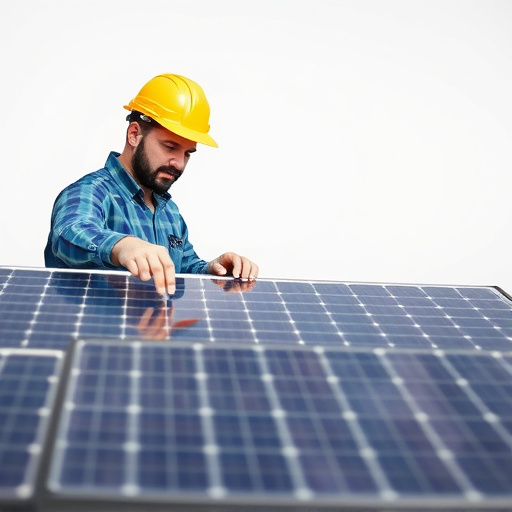
Solar Energy naturally emerges as a powerful, accessible renewable power source for residential and commercial use. Key benefits include reduced energy costs, minimal environmental impact, and enhanced energy independence. Site assessment is critical, considering sunlight exposure, shading, and structural integrity. Solar systems can be grid-tied or off-grid, with components like panels, inverters, batteries, and mounting hardware. Decision-making factors are location, energy needs, and budget. Installation involves thorough assessment, physical setup, and system performance testing. Regular maintenance, including inspections and monitoring, maximizes benefits and extends system lifespan.
The world is witnessing a pivotal shift towards sustainable energy solutions, and Solar Energy has emerged as a leading contender. As climate change continues to be a pressing concern, the installation of solar power systems for both residential and commercial applications is gaining unprecedented momentum. This article delves into the intricacies of this clean energy revolution, offering an authoritative guide to its implementation. We’ll explore how these systems not only mitigate environmental impact but also provide long-term cost savings. By the end, readers will grasp the transformative potential of Solar Energy in shaping a greener future.
- Understanding Solar Energy: Benefits and Advantages
- Assessing Your Site: Preparation for Installation
- Choosing the Right System: Types and Components
- Installation Process: Step-by-Step Guide
- Maintenance and Troubleshooting: Maximizing Solar Power
Understanding Solar Energy: Benefits and Advantages

Solar Energy, naturally, has emerged as a powerful and increasingly accessible source of renewable power, offering a myriad of benefits for both residential and commercial applications. The adoption of solar technology provides an opportunity to reduce energy costs, decrease environmental impact, and promote energy independence. One of its key advantages is the ability to generate electricity in a clean and sustainable manner, with minimal greenhouse gas emissions. This makes it an attractive option for businesses and homeowners seeking to contribute to a greener future while reaping financial benefits.
For residential users, installing solar panels can significantly lower utility bills over time. With proper system design and orientation, homes can achieve energy self-sufficiency, reducing reliance on traditional power grids. Many governments also offer incentives like tax credits and rebates, making the initial investment more feasible. Commercial properties, too, can benefit from this technology, especially those with extensive roof spaces or land areas. Large-scale solar installations are becoming increasingly popular among businesses as a way to enhance their environmental credentials and manage energy costs effectively. For instance, data centers and industrial facilities are embracing Solar Energy to reduce operational expenses and carbon footprints.
Beyond cost savings, Solar Energy offers adaptability and long-term stability. Systems can be tailored to meet specific energy demands, whether it’s a modest home or a large corporate campus. Moreover, as technology advances, solar panels become more efficient, capturing a higher percentage of available sunlight. This, coupled with decreasing costs, ensures that Solar Energy is not only a viable option but also a wise investment for the future.
Assessing Your Site: Preparation for Installation

Assessing your site is a critical step in preparing for the installation of solar power systems, whether for residential or commercial use. It involves evaluating the unique characteristics of your property to ensure optimal performance and efficiency of your solar energy system. Key factors include the amount and direction of sunlight your location receives throughout the year, as well as any potential shading from nearby structures or trees. For instance, south-facing rooftops in regions with minimal obstructions typically offer the best conditions for maximum solar exposure, enhancing the overall effectiveness of solar panels.
A detailed site assessment includes a thorough analysis of these factors using specialized software and tools. This process allows for precise predictions of energy production and helps tailor the system to your specific needs. It’s crucial to consider local building codes, permits, and zoning regulations, as these can impact installation and design choices. Additionally, assessing the structural integrity of your roof or proposed mounting location is essential to guarantee a safe and secure installation. For commercial spaces with complex structures or unique architectural features, professional engineering consultations may be required to ensure compliance and optimal system integration.
Data from industry sources indicates that properly assessed sites can lead to significant improvements in solar panel performance, often exceeding 20% compared to installations without adequate site preparation. This preparation not only ensures higher energy yields but also simplifies future maintenance and repairs. By taking the time to thoroughly evaluate your site, you’re laying a strong foundation for a successful solar power system that will harness the abundant potential of solar energy for years to come.
Choosing the Right System: Types and Components

Choosing the right solar power system is a pivotal decision for both residential and commercial applications, as it directly impacts the efficiency and longevity of your Solar Energy investment. There are primarily two types to consider: grid-tied systems and off-grid systems, each with distinct advantages and components. Grid-tied setups, prevalent in urban areas with reliable utility connections, leverage the power grid for energy storage and backup. This option simplifies maintenance as excess electricity can be fed back into the grid, potentially reducing electric bills significantly. Conversely, off-grid systems are ideal for rural or remote locations without access to utilities, offering complete independence from the power grid.
The components of a solar system play a crucial role in its performance and reliability. These include solar panels, inverters, batteries (for off-grid), and mounting hardware. Solar panels capture sunlight and convert it into electricity through photovoltaic cells. Inverters are essential for converting the direct current (DC) produced by panels into alternating current (AC) used in most homes and businesses. High-quality batteries in off-grid systems store excess energy for use during periods of low or no sunlight, ensuring a consistent power supply. Mounting hardware, designed to withstand various climates, secures solar panels at optimal angles for maximum sun exposure.
When selecting a system, it’s essential to assess your location, energy consumption patterns, and budget. For instance, a commercial building in a sunny region might benefit from a larger-scale off-grid system with battery storage, while a homeowner in a suburban area could opt for a grid-tied setup with net metering policies, allowing them to sell excess energy back to the utility company. Data from the International Energy Agency (IEA) shows that global solar capacity has grown exponentially, highlighting the increasing viability of Solar Energy as a mainstream energy source. Therefore, understanding your specific needs and available technologies is crucial for making an informed decision.
Installation Process: Step-by-Step Guide

The installation of solar power systems involves a meticulous process designed to harness the potent energy of the sun for both residential and commercial applications. This step-by-step guide delves into the intricacies, ensuring a robust foundation for those embracing renewable energy solutions.
Commencing with site assessment, professionals meticulously evaluate the available space, sunlight exposure, and structural integrity. For instance, roof orientation and angle play a pivotal role in maximizing solar energy absorption. Data from local meteorological stations can aid in understanding seasonal variations and their impact on panel efficiency. Following this, electrical infrastructure is inspected to ensure compatibility and upgradability to accommodate the new system.
Physical installation begins with mounting hardware placement, strategically designed to secure solar panels safely. Panels are then attached, aligned precisely to face the optimal direction for sun reception. Wiring is meticulously connected, integrating the panels into the existing electrical grid or battery storage systems. Stringent safety protocols are rigorously followed throughout this phase, underscoring the importance of professional expertise.
Post-installation, system performance testing ensures optimal operation. This involves meticulous checks for any anomalies and calibration adjustments to meet expected energy output. Once validated, owners can begin reaping the benefits of solar energy, contributing to a sustainable future while reducing energy costs.
Maintenance and Troubleshooting: Maximizing Solar Power

The efficient operation of solar power systems relies heavily on regular maintenance and troubleshooting strategies. As Solar Energy continues to gain traction for both residential and commercial applications, ensuring optimal performance is paramount. A well-maintained system can operate at peak efficiency, maximizing the benefits of this renewable energy source. Regular inspections are crucial; examining components like panels, inverters, and wiring for any signs of damage, corrosion, or loose connections. Early detection of issues can prevent minor problems from escalating into major, costly repairs.
Troubleshooting should be approached systematically, starting with a comprehensive understanding of the system’s design and operation. For instance, if there’s a power output discrepancy, check for shading on the panels, which can significantly impact performance. Advanced monitoring tools equipped with real-time data analytics can alert users to anomalies, enabling swift action. Many modern inverters, for example, come with built-in diagnostic capabilities that help identify and communicate issues effectively. Regular maintenance logs, including cleaning schedules and performance checks, are essential records that aid in tracking system health and facilitating proactive measures.
Moreover, staying informed about industry best practices and technological advancements is vital. Keep abreast of maintenance guidelines from manufacturers and stay updated on the latest solar energy innovations. This knowledge empowers users to make informed decisions, ensuring their systems remain efficient and reliable over time. Regular upkeep not only maximizes Solar Energy production but also extends the lifespan of the installation, making it a smart investment for both residential and commercial owners alike.
By understanding the benefits and advantages of solar energy, assessing site preparedness, choosing suitable system types and components, following a meticulous installation process, and implementing effective maintenance practices, homeowners and businesses alike can harness the power of Solar Energy for a sustainable future. This comprehensive guide equips readers with essential knowledge to navigate the world of solar power installation, ensuring informed decisions and optimal energy generation. Take the first step towards renewable energy independence by applying these key insights from this authoritative article.