
Off-grid solar solutions harness Solar Energy naturally using high-efficiency panels, battery storage, inverters, and controllers for independent power generation. System design considers daily kWh usage, climate, roof space, and shade to maximize energy harvest. Key components include lithium-ion batteries for storage and advanced inverters for AC conversion. Regular maintenance, proactive care, and troubleshooting ensure optimal performance. Proper setup adheres to safety protocols and local regulations, enabling energy independence and cost savings while contributing to a sustainable future.
In an era defined by energy transition, achieving energy independence has become a pressing concern for communities worldwide. As we strive to reduce reliance on conventional grids, off-grid solar solutions emerge as a beacon of hope, offering a sustainable and reliable alternative. This article delves into the transformative potential of Solar Energy in empowering individuals and communities to break free from centralized power systems. We will explore innovative technologies, strategies, and real-world applications that make off-grid solar a viable option for energy self-sufficiency. Prepare to uncover the keys to harnessing the sun’s boundless power and redefining our relationship with energy.
- Understanding Off-Grid Solar Basics
- Designing Your Solar Energy System
- Choosing the Right Components
- Installation and Setup Procedures
- Maximizing Solar Energy Production
- Maintaining and Troubleshooting Solutions
Understanding Off-Grid Solar Basics

Off-grid solar solutions leverage solar energy naturally to power homes, businesses, and remote locations independent of traditional power grids. This sustainable approach is increasingly popular due to growing environmental concerns and the desire for energy self-sufficiency. At its core, off-grid solar involves several key components: high-efficiency solar panels, advanced battery storage systems, a charge controller, and an inverter. These components work in tandem to capture, convert, store, and distribute solar power effectively.
Understanding the dynamics of each component is crucial for optimizing system performance. High-efficiency solar panels maximize energy harvest by absorbing more sunlight across varying weather conditions. For instance, modern monocrystalline and polycrystalline panels can achieve efficiencies exceeding 20%, with some advanced models reaching 23% or higher. Battery storage systems, typically lithium-ion batteries, are essential for storing excess solar energy produced during the day for use at night or during periods of low sunlight. The capacity of these batteries directly correlates with the level of energy independence achievable.
Implementing off-grid solar requires careful system design and sizing to meet specific energy demands. A professional assessment should consider factors like daily kWh usage, local climate patterns, available roof space, and shade analysis. For example, a family home in a sunny region might require approximately 5-10 kW of solar capacity and 10-20 kWh of battery storage to cover its energy needs year-round. By integrating these components effectively, off-grid solar systems offer not only environmental benefits but also significant cost savings over time, eliminating dependence on utility companies and promoting long-term energy independence.
Designing Your Solar Energy System

Designing your own off-grid solar energy system can seem daunting, but with careful planning and consideration of your unique needs, it’s an achievable goal. The first step is assessing your site’s potential for solar energy reception, taking into account factors like sunlight exposure, shading, and local climate conditions. This evaluation guides the selection of the appropriate number and size of solar panels. For instance, regions with consistent high sun exposure can support larger systems that produce more electricity.
Next, consider the type of solar panels best suited to your needs. Monocrystalline and polycrystalline silicon are common options, each with its advantages. Monocrystalline cells generally offer higher efficiency rates but come at a premium price. Polycrystalline alternatives are cost-effective yet slightly less efficient. Customizing your system further involves integrating essential components like inverters, batteries, and charging controllers. These elements ensure the conversion of direct current (DC) to alternating current (AC) for use in your home or business and manage energy storage and distribution.
A practical approach is to consult with solar energy experts who can provide tailored advice based on local regulations and available incentives. They assist in designing a system optimized for performance and cost-effectiveness, ensuring it aligns with your energy consumption patterns. For example, a well-designed off-grid system in a rural setting could significantly reduce electricity bills or even eliminate them entirely for homeowners reliant on generators. By leveraging the power of solar energy naturally, you can achieve true energy independence while contributing to a sustainable future.
Choosing the Right Components

When designing an off-grid solar system, selecting the appropriate components is paramount to ensuring energy independence and efficiency. The first step involves evaluating your specific energy needs. This includes understanding your average daily kWh consumption and peak usage times, which will guide the size of your solar array. For instance, a typical household might require 20-30 kWh per day, dictating a solar panel system capacity of around 5-7 kWp (kilowatt-peak).
Next, consider battery storage. Lithium iron phosphate (LFP) batteries are gaining popularity for off-grid applications due to their safety, longevity, and high discharge rates. The size of your battery bank should be proportional to your energy needs and backup duration desired. A common rule of thumb is to store 5-10 days’ worth of consumption in kWh, ensuring resilience against periods of low solar generation. For a moderate household, this could translate to a 200-400 Ah LFP battery system.
Inverter selection is crucial too. Choose pure sine wave inverters for sensitive electronics, as they provide a clean, stable power output. The inverter’s capacity should match your solar array and be compatible with your load requirements. Advanced inverters also offer features like grid-tie capability, which can maximize self-consumption and reduce energy costs.
Lastly, don’t overlook system monitoring. A comprehensive monitoring solution allows you to track performance, identify issues, and optimize energy use. Many modern systems come equipped with smart meters and apps for remote access. These tools provide valuable data on solar generation, battery health, and overall system efficiency, empowering you to make informed decisions.
Installation and Setup Procedures

Off-grid solar solutions offer a path to energy independence, allowing individuals and communities to break free from traditional power grids. The installation and setup of these systems require careful planning and an understanding of specific technical aspects. When designing an off-grid solar system, the primary goal is to harness the power of Solar Energy naturally and store it efficiently for use during periods of low or no sunlight. This involves integrating components such as solar panels, batteries, inverters, and charge controllers.
The first step in the installation process is site assessment, which determines the optimal placement of solar panels. Factors like sun exposure, shading, and roof structure must be considered. For instance, a southern-facing roof with minimal obstruction typically provides the best conditions for maximum Solar Energy absorption. Once the site is evaluated, professionals can proceed with panel mounting. This can involve either pole-mounted or roof-mounted systems, each requiring specific installation techniques to ensure stability and alignment with the sun’s path.
Battery storage is a crucial component of off-grid solar setups. Lead-acid, lithium-ion, and saltwater batteries are common choices, each offering varying capacities and lifespans. Proper battery selection depends on energy requirements, budget, and environmental conditions. For example, lithium-ion batteries excel in cold climates due to their superior performance at lower temperatures. After selecting the appropriate batteries, they must be connected to a charge controller, which regulates the power flow from the solar panels, protecting the system from overcharging. Inverters then convert the stored DC power into AC power, suitable for use in homes and businesses.
Setting up an off-grid solar system requires adherence to safety protocols and local regulations. It is essential to consult with certified professionals who can guide through the installation, ensuring compliance and optimal performance. Regular maintenance checks are also vital to prolong the lifespan of the system and maximize its efficiency. By following these procedures, individuals can successfully navigate the installation process, reaping the benefits of a reliable, sustainable energy source for years to come.
Maximizing Solar Energy Production
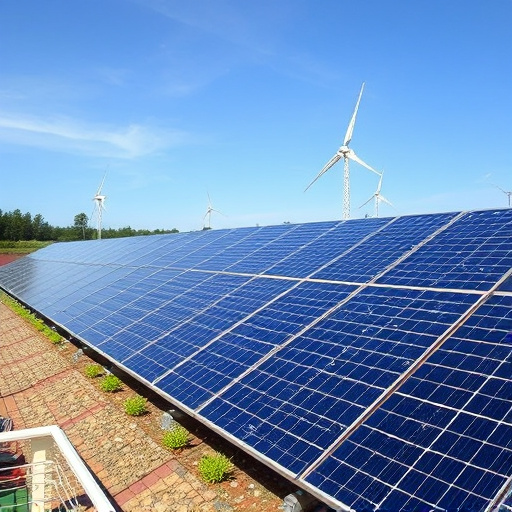
Maximizing Solar Energy Production is a key aspect of achieving energy independence through off-grid solar solutions. To harness solar energy naturally, it’s essential to consider both qualitative and quantitative factors. Geographic location plays a significant role; regions with higher sunlight intensity and longer daylight hours provide optimal conditions for maximizing production. For instance, areas in the southern hemisphere like Australia and parts of South America enjoy nearly year-round ideal solar exposure, making them prime candidates for efficient solar energy capture.
Beyond location, optimizing your solar array design can substantially increase energy output. Rooftop installations have long been a popular choice, but ground-mounted systems with tracking mechanisms offer higher efficiency by adjusting to the sun’s path throughout the day and year. Advanced inverter technologies also contribute to improved performance by converting DC power from solar panels into AC power used in homes and businesses, minimizing energy loss during transmission.
Storage solutions are another critical component of maximizing solar energy production for off-grid independence. Battery storage systems store excess energy generated during peak sunlight hours for use during periods of low or no sunlight, ensuring a consistent power supply. For instance, lithium-ion batteries have emerged as a preferred choice due to their high energy density and long cycle life. When paired with smart management systems, these technologies allow users to predict and manage energy usage efficiently, further enhancing the benefits of off-grid solar solutions.
Maintaining and Troubleshooting Solutions

Maintaining and troubleshooting off-grid solar solutions require a combination of proactive care and swift action. Regular inspections are paramount to ensure optimal performance and longevity of your system. Check for any signs of damage, loose connections, or blocked sunlight, especially after extreme weather events. A meticulous cleaning routine involving the panels is crucial; dust, dirt, and debris can significantly reduce solar energy absorption. Use a soft brush or cloth to gently clean them, avoiding harsh chemicals that may damage the components.
When troubleshooting, start with basic checks: verify power output using a multimeter, inspect wiring for any signs of wear or corrosion, and ensure all connectors are secure. Many issues stem from faulty inverters or controllers; monitor these components for unusual behavior, such as elevated temperatures or strange noises. Regular maintenance records are invaluable; track performance metrics like voltage, current, and energy production to identify anomalies early on.
For instance, a study by the International Renewable Energy Agency (IRENA) found that scheduled maintenance can extend the lifespan of solar panels by up to 25%. Proactive measures include using weather-resistant components, implementing automated monitoring systems, and staying informed about industry advancements. When issues arise, consult with certified solar technicians who understand off-grid systems. They possess the expertise to diagnose complex problems and recommend tailored solutions, ensuring your energy independence remains reliable and secure.
By mastering off-grid solar solutions, individuals can achieve true energy independence and embrace a more sustainable future. This article has provided an authoritative guide covering essential aspects from understanding basic concepts to troubleshooting. Key takeaways include the importance of designing tailored solar systems, selecting robust components, and optimizing production through strategic placement and maintenance practices. With this knowledge, readers are equipped to make informed decisions when implementing solar energy naturally, ensuring a reliable and eco-friendly power source for years to come.