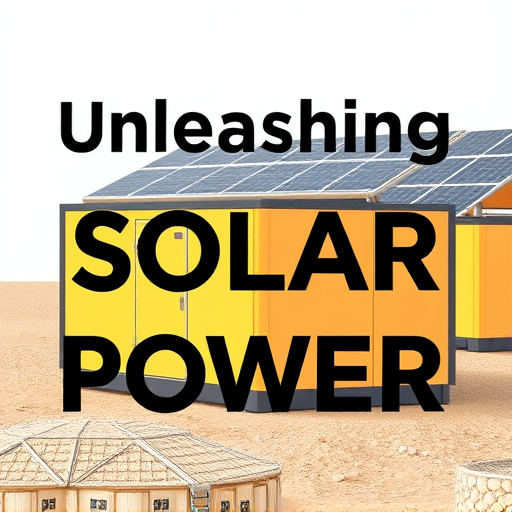
Solar energy storage, integrating battery and thermal systems, maximizes solar power benefits by capturing excess energy during high irradiation periods. Key types include lithium-ion batteries, pumped hydro, and thermal energy storage (TES). Global capacity is projected to reach 300 GW by 2030, with advanced technologies enhancing efficiency and resilience in hybrid systems. These innovations transform renewable energy utilization, ensuring stable power supply despite sunlight fluctuations, and promoting sustainable energy independence.
As the world shifts towards sustainable energy sources, Solar Energy has emerged as a leading contender. However, its intermittent nature poses a challenge—the sun doesn’t always shine, and demand for power remains consistent. To address this, effective solar energy storage solutions are crucial for maximizing the benefits of renewable energy. This article delves into cutting-edge technologies designed to overcome the limitations of Solar Energy, ensuring a steady supply of clean power, especially during periods of low or no sunlight. By exploring these innovative storage methods, we aim to equip readers with valuable insights, fostering informed decisions in the pursuit of a greener future.
- Understanding Solar Energy Storage: The Basics
- Types of Solar Energy Storage Systems
- Integrating Storage with Solar Panels
- Maximizing Energy Use: Key Strategies
- Case Studies: Successful Solar Storage Implementations
- Future Trends in Solar Energy Storage Technology
Understanding Solar Energy Storage: The Basics

Solar energy storage has emerged as a pivotal component in maximizing the benefits of solar power, enabling a more consistent and reliable energy supply. At its core, understanding solar energy storage involves grasping how to capture, store, and utilize excess solar energy generated during periods of high irradiation for subsequent use when sunlight is scarce or unavailable—typically at night or during cloudy days. This process significantly enhances the efficiency of solar systems, ensuring a steady power output regardless of weather conditions.
The most common types of solar energy storage solutions include battery storage systems and thermal storage. Battery storage, for instance, employs advanced technologies like lithium-ion batteries to store excess solar energy for later use. These systems are highly efficient, capable of rapid charging and discharging, making them ideal for residential and commercial applications. For example, Tesla’s Powerwall offers a compact, scalable solution that allows homeowners to store solar energy, providing backup power and reducing dependence on the grid. Data from the International Renewable Energy Agency (IRENA) indicates that battery storage technology has experienced substantial growth, with global capacity expected to reach over 300 GW by 2030—a testament to its increasing viability and adoption.
Thermal storage, on the other hand, retains solar energy in liquid or solid forms for later conversion into usable heat or electricity. This method is particularly effective for large-scale applications like industrial processes and district heating systems. For instance, molten salt thermal storage systems capture excess solar energy during the day and store it as heated salt, which can then be used to generate steam and produce electricity when needed. Such technologies have been successfully implemented in concentrated solar power (CSP) plants, demonstrating their ability to provide consistent base-load power even after sunset. By integrating both battery and thermal storage solutions, renewable energy systems can achieve a more balanced output, ensuring a stable supply of solar energy throughout the day and year.
Types of Solar Energy Storage Systems

Solar energy storage systems play a pivotal role in maximizing the benefits of solar power by capturing and storing excess energy produced during sunny periods for later use. This is particularly crucial in regions with variable weather patterns, where sunlight availability fluctuates significantly. There are several types of Solar Energy Storage Systems, each offering unique advantages and applications, catering to diverse needs from residential to industrial sectors.
One prominent category is battery storage systems, which utilize rechargeable batteries to store excess solar energy. Advanced technologies like lithium-ion batteries have gained popularity due to their high energy density, allowing for compact systems with significant storage capacity. For instance, Tesla’s Powerwall is a well-known residential battery system that enables homeowners to store solar energy, ensuring a consistent power supply even during cloudy or nighttime periods. According to the International Energy Agency (IEA), global installed lithium-ion battery storage capacity reached 4.5 GW in 2021, marking a substantial growth from previous years.
Another effective approach is pumped hydro storage, suitable for larger-scale applications. This method utilizes excess solar energy to pump water uphill into reservoirs, which can later be released through turbines to generate electricity when demand peaks. While it requires significant initial infrastructure investment, pumped hydro storage offers long-term efficiency and reliability. For example, the Collada Pumped Storage Station in Spain is one of the largest such facilities globally, providing a capacity of 2,400 MW and contributing to the country’s renewable energy mix.
Additionally, thermal energy storage (TES) systems are valuable assets for managing solar heat, especially in heating-intensive industries and commercial buildings. TES stores excess solar heat during sunny periods and releases it when needed, improving overall energy efficiency. For instance, molten salt TES has gained recognition due to its ability to withstand high temperatures, making it suitable for concentrated solar power (CSP) plants. CSP technologies use mirrors or lenses to focus sunlight onto receivers, generating heat that can be stored in molten salts. This stored thermal energy can then be converted into electricity even after the sun sets.
Integrating Storage with Solar Panels

Integrating solar energy storage solutions with solar panels is a strategic move towards maximizing the benefits of renewable energy sources. Solar panels generate electricity from sunlight, but their output fluctuates based on weather conditions and time of day. This variability necessitates an effective storage system to ensure a consistent power supply. By integrating storage, such as batteries, with solar panels, excess energy produced during sunny periods can be captured and stored for later use, providing a reliable backup and enhancing overall energy independence.
For instance, home owners in regions with high solar irradiation can install solar panels coupled with lithium-ion batteries. During the day, when sunlight is abundant, these systems charge the batteries, which can then discharge power during evening or cloudy days, effectively eliminating reliance on grid electricity. This approach not only reduces energy costs but also contributes to a more sustainable future by decreasing carbon emissions. According to a study by the International Energy Agency (IEA), integrating solar and storage technologies can increase renewable energy penetration, with stored solar energy providing critical backup during periods of low generation.
Practical implementation involves careful planning and sizing of both solar panels and storage capacity. System designers must consider factors like daily energy consumption patterns, local climate, and available space for installation. For commercial applications, advanced energy management systems (EMS) can optimize the integration by forecasting weather conditions, balancing energy demand with supply, and ensuring peak performance. By aligning the deployment of solar panels and storage with specific operational needs, businesses can achieve higher energy efficiency, lower utility bills, and enhanced environmental stewardship.
Maximizing Energy Use: Key Strategies
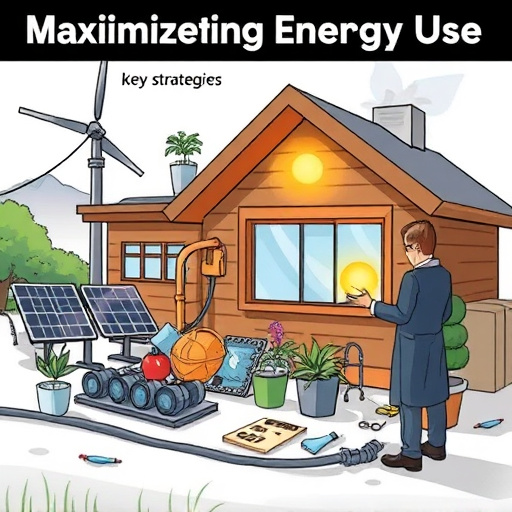
Maximizing energy use from solar sources requires a multifaceted approach integrating advanced technologies, strategic planning, and user-centric design. A key strategy involves implementing smart grids capable of bidirectionally managing energy flow—allowing excess solar energy to be stored during periods of high generation and deployed during peak demand or cloudy days. For instance, Tesla’s Powerwall offers residential users a compact battery system that can store up to 13.5 kWh of solar-generated electricity, enhancing self-sufficiency and reducing reliance on the grid.
Data from the International Energy Agency (IEA) underscores the growing importance of energy storage: global installed storage capacity reached 270 GW in 2020, a 40% increase from the previous year. This trend is driven by rising solar adoption and the need for more flexible energy systems. Another effective strategy is to utilize diverse storage technologies tailored to specific applications. Lithium-ion batteries are popular due to their high energy density and longevity but may be cost-prohibitive for large-scale projects. Redox flow batteries, on the other hand, offer longer lifespans and can store larger amounts of energy at lower costs, making them suitable for grid-scale applications.
Furthermore, integrating solar energy with other renewable sources in hybrid systems enhances overall efficiency and resilience. For example, combining solar panels with wind turbines creates a complementary energy mix that stabilizes output fluctuations. This diversification ensures a more consistent power supply, even under varying weather conditions. Solar energy storage solutions are not just about technological advancements; they also require robust policy frameworks and consumer engagement. Governments play a pivotal role in incentivizing investments through subsidies and tax credits while promoting smart grid infrastructure. Educated consumers, empowered to monitor and manage their energy consumption, can further optimize solar energy utilization, leading to more sustainable and efficient energy practices.
Case Studies: Successful Solar Storage Implementations
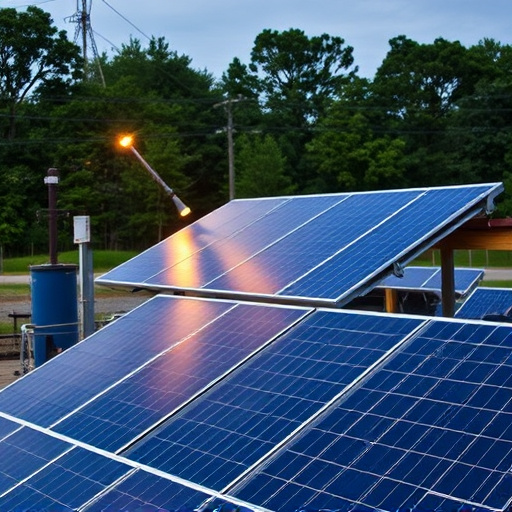
The integration of solar energy storage solutions has emerged as a pivotal strategy to optimize renewable energy utilization, ensuring a stable and reliable power supply even when the sun is not shining. This approach has gained significant traction globally, with numerous successful implementations showcasing its transformative potential. These case studies highlight how advanced storage technologies are revolutionizing the way we harness and manage solar energy, leading to more efficient and sustainable power systems.
One notable example is the large-scale solar energy storage project in California’s Mojave Desert. Here, a 100-megawatt (MW) hour battery system was deployed alongside a 250-megawatt solar farm. This integration enabled the facility to store excess energy generated during peak sunlight hours and release it during periods of high demand or low sunshine, resulting in a substantial reduction in grid reliance. The project’s success has led to increased interest in similar hybrid systems, demonstrating the effectiveness of combining solar panels with cutting-edge storage technology.
Additionally, the island nation of Hawaii has made strides in energy independence through solar storage. A community-owned cooperative installed a distributed energy resource (DER) system that incorporates solar photovoltaic (PV) panels and battery storage. This implementation allows for better management of variable solar output, ensuring consistent power supply even on cloudy days. The project’s data reveals a significant decrease in grid electricity imports, empowering the community with a more resilient and environmentally friendly energy source. These real-world applications underscore the capability of solar energy storage to address the inherent intermittency of solar PV, making renewable energy a more dependable option for utility providers and consumers alike.
Future Trends in Solar Energy Storage Technology
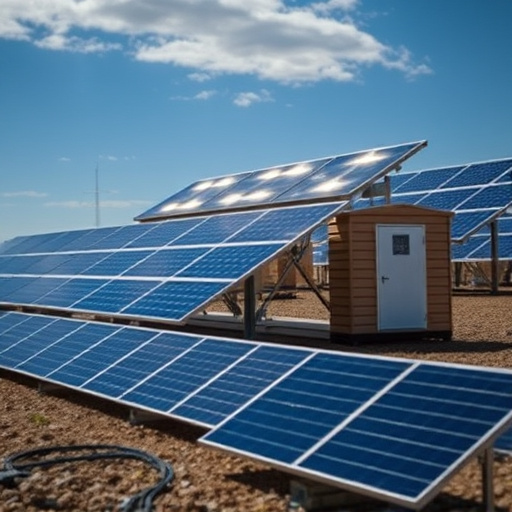
The future of solar energy lies not just in its generation but in efficient storage solutions that maximize its use, especially during periods of low sunlight or at night. As global efforts to combat climate change intensify, the need for advanced solar energy storage technologies is more pressing than ever. Trends indicate a shift towards innovative systems that offer improved efficiency, longer durations, and enhanced flexibility. One prominent trend is the integration of advanced battery technologies, such as lithium-ion and flow batteries, which promise higher energy density and longer lifespans compared to traditional storage methods like lead-acid batteries. For instance, Tesla’s Powerwall 2 offers a compact, aesthetically pleasing solution suitable for residential use, while larger-scale flow batteries deployed in communities provide backup power during outages.
Another exciting development is the exploration of novel materials and technologies, such as solid-state and redox flow batteries, which promise increased safety, longer cycles, and higher power outputs. These innovations aim to address the limitations of current battery chemistries, particularly in terms of cost, efficiency, and environmental impact. Moreover, the concept of smart grids integrated with solar energy storage is gaining traction. These intelligent systems can predict and manage energy demands, allowing for more efficient distribution and utilization of stored solar energy. For example, smart meters and advanced control algorithms enable real-time monitoring and optimization of energy flows, ensuring that solar power is harnessed and deployed optimally across the grid.
Looking ahead, the future of solar energy storage technology promises a decentralized, flexible, and efficient energy ecosystem. As costs continue to decline and technologies mature, we can expect broader adoption in both residential and commercial sectors. Integrating these advancements into existing grids will require robust infrastructure upgrades and policy support to facilitate seamless integration and maximize the benefits of renewable energy sources. By embracing these trends, society can move closer to achieving sustainable energy independence, reducing reliance on fossil fuels, and mitigating climate change.
Solar Energy storage solutions are pivotal to maximizing the benefits of solar power, ensuring a steady energy supply even beyond sunlight hours. By understanding the basics of Solar Energy storage and exploring diverse system types, we can seamlessly integrate storage with solar panels for optimal efficiency. Key strategies like load shifting, battery backup, and energy-efficient appliances further enhance energy use. Successful case studies demonstrate the real-world impact of these implementations, highlighting increased self-sufficiency and reduced carbon footprints. Looking ahead, future trends in Solar Energy storage technology promise enhanced efficiency, lower costs, and greater integration with renewable energy grids, positioning solar energy as an even more viable and reliable source for our energy needs.