
Photovoltaic (PV) technology converts sunlight into electricity using semiconductor materials like silicon. Panels, consisting of interconnected solar cells, are installed with optimal orientation and tilt for maximum sunlight exposure. Commercial panels have efficiencies around 15-22%, with research aiming for higher performance. Solar energy offers significant advantages: clean, renewable power with minimal environmental impact, no greenhouse gas emissions during operation, and a key role in mitigating climate change. It's increasingly adopted globally, accounting for over 70% of electricity generation growth in 2021. Future advancements focus on enhancing solar energy capture naturally through improved efficiency, reduced costs, and expanded applications, including Building-Integrated Photovoltaics (BIPV).
The global shift towards sustainable energy sources has underscored the crucial role of solar energy in combating climate change. Photovoltaic (PV) technology, the process of converting sunlight into electricity, is at the forefront of this revolution. However, understanding and maximizing PV’s potential present a complex challenge. This article delves into the intricacies of PV technology, offering an authoritative exploration of its principles, applications, and future prospects. By deciphering this innovative solution to harnessing solar energy, we equip readers with knowledge vital for navigating the evolving energy landscape.
- Understanding Photovoltaic Technology: The Basics of Solar Energy Conversion
- How PV Panels Capture Sunlight and Generate Electricity
- Benefits and Applications of Solar Energy in Various Sectors
- Choosing the Right PV System: Considerations for Optimal Performance
- Future Prospects and Innovations in Photovoltaic Technology
Understanding Photovoltaic Technology: The Basics of Solar Energy Conversion

Photovoltaic (PV) technology stands at the forefront of sustainable energy solutions, harnessing the boundless potential of solar energy to convert sunlight into electricity. At its core, this process involves the use of semiconductor materials, most commonly silicon, which generate direct current (DC) when exposed to photons from the sun. This fundamental principle, known as the photovoltaic effect, forms the basis for a technology that has evolved significantly over the past decades.
The conversion of solar energy into usable electricity occurs within specialized devices called solar cells, which are assembled into PV modules or panels. These panels can be installed in various configurations—rooftop arrays, ground-mounted farms, or even integrated into buildings and structures—to maximize sunlight exposure. The efficiency of these systems varies based on factors like the quality of materials, manufacturing techniques, and environmental conditions. For instance, modern commercial solar panels boast efficiencies ranging from 15% to 22%, with research continuously pushing for higher performance.
One of the key advantages of PV technology is its ability to provide clean, renewable energy with minimal environmental impact. Unlike fossil fuels, solar energy is inexhaustible and produces no greenhouse gas emissions during operation. As a result, widespread adoption of photovoltaic systems plays a pivotal role in mitigating climate change and reducing our carbon footprint. For example, according to the International Energy Agency (IEA), renewable energy, including solar PV, accounted for over 70% of global electricity generation growth in 2021, underscoring its growing significance in the global energy mix.
To leverage the power of solar energy effectively, it’s crucial to understand system design and performance metrics. Key considerations include choosing the right panel type for specific applications, optimizing orientation and tilt for maximum sunlight capture, and integrating storage solutions for continuous power supply during periods of low or no sunlight. By embracing these principles and staying informed about technological advancements, individuals and organizations can contribute to a sustainable energy future powered by the sun.
How PV Panels Capture Sunlight and Generate Electricity

Photovoltaic (PV) panels have revolutionized solar energy by directly converting sunlight into electricity. This process begins with the absorption of photon particles from the sun’s rays by semi-conducting materials, commonly silicon, within the PV cells. When these photons strike the panel, they excite electrons in the silicon atoms, generating a flow of electrical current. This fundamental principle underpins the efficiency and functionality of modern solar technology.
The structural design of PV panels further enhances their sunlight capture capabilities. Each panel is comprised of numerous interconnected solar cells, which are then laminated together with protective glass layers to form a durable module. This multi-layered construction allows for optimal light absorption while also shielding the delicate interior components from environmental factors like wind, rain, and UV radiation. For instance, high-efficiency monocrystalline silicon panels can convert over 20% of incident sunlight into electricity, thanks to their refined manufacturing processes and advanced cell designs.
Electricity generation is facilitated through the series connection of these solar cells. As excited electrons flow through the circuit, they create a direct current (DC) that powers various electrical devices or feeds into an inverter for conversion to alternating current (AC), which is the standard form used in most homes and businesses. This seamless transition from sunlight to electricity makes PV panels a reliable and increasingly cost-effective solution for decentralized energy production, contributing significantly to the global push towards sustainable and renewable energy sources.
Benefits and Applications of Solar Energy in Various Sectors

Photovoltaic (PV) technology has emerged as a powerful tool for harnessing the energy of sunlight, offering a sustainable and increasingly accessible method to generate electricity. Solar energy, naturally, plays a pivotal role in addressing global energy demands while mitigating environmental impact. The benefits are multifaceted; it provides clean, renewable power with minimal greenhouse gas emissions, reducing reliance on finite fossil fuels. This technology has evolved significantly over the years, becoming more efficient and cost-effective, making it an attractive option for diverse sectors.
One of the key advantages lies in its versatility. PV panels can be installed on various surfaces, from rooftops and large-scale solar farms to floating structures on water bodies, maximizing space utilization. For instance, commercial buildings have successfully implemented solar energy systems, reducing utility costs and carbon footprints. Moreover, remote or off-grid communities benefit from decentralized solar power solutions, ensuring access to electricity without relying on traditional power networks. The technology’s adaptability extends to various industries; agriculture can utilize solar-powered irrigation systems, while transportation sectors are witnessing the rise of electric vehicles charged by renewable energy sources, including solar.
As the world transitions towards a more sustainable future, solar energy applications continue to expand. Governments and businesses are increasingly recognizing its potential, leading to substantial investments in research and infrastructure development. According to the International Energy Agency (IEA), renewable energy, led by solar PV, accounted for 84% of global power generation growth between 2015 and 2021. This trend indicates a promising future for solar energy as a primary energy source. By embracing these advancements, industries can contribute to a cleaner environment while achieving operational efficiency and long-term cost savings.
Choosing the Right PV System: Considerations for Optimal Performance

Choosing the right photovoltaic (PV) system is a critical step in maximizing the efficiency and return on investment of your solar energy project. The first consideration is site assessment, taking into account factors like sunlight exposure, shading from trees or buildings, and orientation. Optimal sun exposure ensures maximum absorption of solar radiation, which directly impacts energy generation. For instance, a south-facing panel in the Northern Hemisphere typically yields higher efficiency due to direct sunlight throughout the day.
Next, select PV modules tailored to your energy needs and budget. Advanced technologies like monocrystalline and polycrystalline silicon panels offer varying efficiencies and cost points. High-efficiency modules can produce more electricity per square foot, making them ideal for space-constrained installations. However, they are generally more expensive. Consider also the track record of manufacturers and dealers; reputable sources provide better guarantees and after-sales support, enhancing system reliability.
Incorporate smart inverters to convert DC power from panels into AC power used by homes and businesses. String inverters are cost-effective for smaller systems, while microinverters offer enhanced safety and performance in challenging conditions. Modern inverters also include advanced monitoring features, allowing you to track energy production and identify any issues promptly. For instance, data from ENF’s Solar PV Market Report shows that smart inverter adoption has been growing steadily, reflecting a broader trend toward system optimization and efficiency.
Finally, integrate storage solutions like batteries to capture and store excess solar energy for use during periods of low sunlight or high demand. This enhances the independence and resilience of your power supply. Battery capacity should align with your energy consumption patterns and backup needs. As solar technology continues to evolve, staying informed about emerging trends—like perovskite solar cells or floating PV systems—can provide additional avenues for optimizing your solar energy implementation.
Future Prospects and Innovations in Photovoltaic Technology
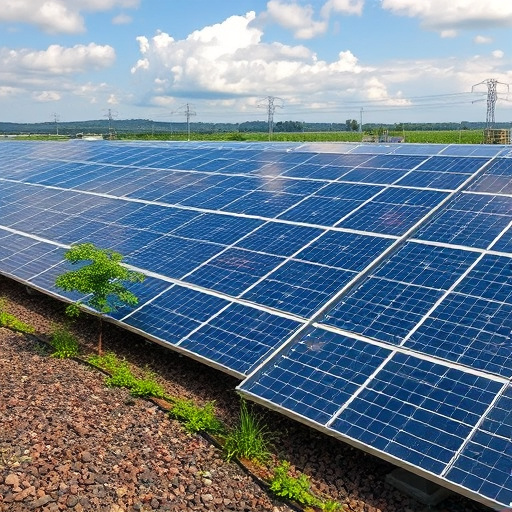
The future of photovoltaic (PV) technology promises significant advancements in our ability to harness solar energy naturally. Ongoing research focuses on enhancing efficiency, reducing production costs, and improving the durability of PV cells. One promising area is perovskite solar cells, which have shown remarkable performance in laboratory settings, achieving efficiencies exceeding 25%. These cells offer potential advantages over traditional silicon-based PVs, including lower manufacturing costs and faster production times.
Innovations like tandem solar cells are also gaining traction. By combining multiple PV technologies in a single device, tandem cells can capture a broader spectrum of sunlight, increasing overall efficiency. For instance, a recent development combines copper zinc tin (CZT) and silicon layers, achieving efficiencies up to 27%. Such advancements not only improve the performance of solar panels but also make them more competitive with conventional energy sources.
Looking ahead, integration of PV technology into everyday structures and appliances is expected to grow. Building-integrated photovoltaics (BIPV) seamlessly incorporate solar cells into architectural materials like roofs, walls, and windows, offering both aesthetic appeal and energy generation. This trend aligns with the growing demand for sustainable and efficient buildings. As research continues, we can anticipate even more breakthroughs that will drive down costs, increase efficiency, and expand the applications of solar energy naturally in our daily lives.
Photovoltaic (PV) technology stands as a pivotal advancement in harnessing solar energy, offering a clean and sustainable alternative to conventional power sources. This article has comprehensively explored the various facets of PV technology, from its fundamental principles to its multifaceted applications. We’ve witnessed how PV panels, through the intricate process of converting sunlight into electricity, are transforming industries and contributing to a greener future. The benefits of solar energy span across diverse sectors, from residential rooftops to large-scale utilities, showcasing its versatility and economic viability. Furthermore, the article emphasized the importance of careful system selection and provided valuable insights for optimal performance. As we look ahead, continuous innovations in PV technology promise increased efficiency, reduced costs, and enhanced integration into our daily lives, making solar energy an increasingly attractive and indispensable component of our global energy mix.