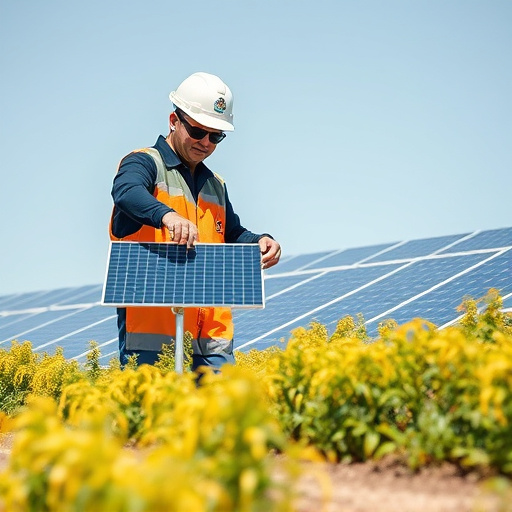
Solar Energy naturally, powered by photovoltaic (PV) technology, converts sunlight into electricity using semiconducting materials like silicon. Advancements in material science have increased efficiency to over 20%, with perovskite cells nearing 25%. In 2021, global solar PV capacity reached 804 GW. Key benefits include reduced energy costs for homeowners, grid stability, and lower carbon emissions. Solar PV systems involve site assessment, panel selection, installation, and regular maintenance. Future prospects include higher-efficiency cells, flexible panels, smart grids, and advanced storage to ensure a sustainable energy future globally.
The global shift towards sustainable energy sources has propelled solar energy into the forefront of innovation. Photovoltaic (PV) technology stands as a cornerstone in harnessing the power of the sun, offering a clean and renewable alternative to conventional electricity generation. As the world grapples with climate change, the efficient conversion of sunlight into usable electricity becomes increasingly vital. This article delves into the intricacies of PV technology, elucidating its fundamental principles, remarkable advancements, and profound impact on shaping a more sustainable future through solar energy.
- Understanding Photovoltaic (PV) Technology: Harnessing Solar Energy
- How PV Cells Convert Sunlight to Electricity
- Benefits and Applications of Solar Energy Systems
- Designing and Installing a Solar PV System
- The Future of Photovoltaic Technology in Energy Production
Understanding Photovoltaic (PV) Technology: Harnessing Solar Energy

Photovoltaic (PV) technology represents a pivotal advancement in harnessing solar energy, converting sunlight directly into electricity. At its core, PV technology relies on the photovoltaic effect, where semiconducting materials, such as silicon, absorb photons from sunlight, generating electron flow and producing direct current (DC) electricity. This innovative process has sparked a global shift towards renewable energy sources, offering a clean and sustainable alternative to conventional power generation.
The understanding and development of PV technology have evolved significantly over the decades. Early solar cells, introduced in the 1950s, had low efficiency rates, making them impractical for widespread use. However, ongoing research and advancements in material science have led to remarkable improvements. Modern PV cells can achieve efficiencies exceeding 20%, with some specialized panels reaching even higher marks. For instance, per the International Energy Agency (IEA), global solar PV capacity reached a staggering 804 GW in 2021, a testament to the rapid adoption and efficiency gains in this technology.
Implementing PV technology offers a multitude of benefits, both for individual consumers and the broader community. For homeowners, PV systems provide a means to generate their own electricity, reducing reliance on traditional power grids and potentially lowering energy costs. In larger-scale applications, PV technology contributes to grid stability and reduces carbon emissions, playing a crucial role in combating climate change. As the world navigates the challenges of energy security and environmental sustainability, solar energy, through PV technology, emerges as a vital component in shaping a greener future.
How PV Cells Convert Sunlight to Electricity

Photovoltaic (PV) cells are the heart of solar energy conversion technology, harnessing the power of sunlight to generate electricity. This process begins with the absorption of light photons by semiconducting materials within the cell, typically silicon. When a photon strikes the cell, it imparts its energy to the electron in the semiconductor material, exciting it from its ground state. This excitation disrupts the natural balance of electric charges within the material, creating a flow of electrons that generates direct current (DC) electricity.
The key to this conversion process lies in the structure of the PV cell, which consists of two distinct layers: an n-type semiconductor layer and a p-type semiconductor layer. When these layers are joined together, they form a p-n junction. At this interface, electrons from the n-type layer are drawn towards the positive (p-type) side, while “holes” (the absence of an electron) move in the opposite direction from the p-type to the n-type side. This movement creates a natural electrical field across the junction, driving the flow of electrons and generating electricity.
Efficiencies in PV cell design and materials science have significantly improved over the years. Modern silicon solar cells can achieve efficiencies exceeding 20%, meaning they convert more than one-fifth of the sunlight that strikes them into usable electricity. For instance, some cutting-edge perovskite solar cells are approaching 25% efficiency, promising even greater energy harvest in the future. As research continues to refine these technologies, solar energy becomes an increasingly viable and powerful source of renewable power worldwide.
Benefits and Applications of Solar Energy Systems

Photovoltaic (PV) technology harnesses the power of sunlight to generate electricity, offering a clean and sustainable energy solution with vast potential. One of the most significant advantages of Solar Energy is its accessibility; it’s a renewable resource available almost everywhere, making it an attractive option for both residential and commercial applications. The benefits extend beyond environmental sustainability, as solar systems provide long-term cost savings, reduced dependence on traditional energy sources, and improved energy security.
Residential rooftops have seen a surge in solar panel adoption, leveraging the technology to reduce utility bills and carbon footprints. For instance, a study by the International Energy Agency (IEA) revealed that solar PV installations have been growing globally at an impressive rate, with over 700 GW of capacity added between 2015 and 2020. Commercial and industrial sectors also benefit from Solar Energy systems, which can power large facilities, reduce operational costs, and enhance a company’s environmental reputation. A notable example is the Amazon fulfillment center in Pennsylvania, which leverages solar panels to meet its substantial energy demands, demonstrating both cost savings and environmental stewardship.
Beyond electricity generation, Solar Energy has diverse applications. It can be integrated into buildings through building-integrated photovoltaics (BIPV), enhancing architectural aesthetics and providing passive heating. Additionally, concentrated solar power (CSP) systems heat fluids for industrial processes or generate steam to drive turbines, offering advantages in areas like water desalination and remote community power generation. As the technology advances, so do its capabilities, making Solar Energy a versatile and increasingly vital component in the global energy mix.
Designing and Installing a Solar PV System

Designing and installing a Solar PV system is a multifaceted process that requires careful consideration of site-specific factors, technical specifications, and regulatory requirements. The first step involves assessing the available solar energy naturally—evaluating the location’s sunlight exposure, shading patterns, and roof or ground space suitability. Using specialized software tools, professionals can predict daily and seasonal sunlight intensity to ensure optimal system performance. For instance, areas with consistent, unobstructed access to direct sunlight typically yield higher energy production.
Once feasibility is established, selecting the appropriate PV technology becomes crucial. Solar panels vary in efficiency, wattage output, and physical attributes. High-efficiency modules, often more expensive, can significantly boost energy generation per square foot. It’s essential to match panel specifications with site characteristics—ground-mounted systems may be ideal for large, open spaces, while roof-mounted options are suitable for residential or commercial buildings with adequate structural capacity.
Installation itself demands meticulous precision. Experienced installers employ best practices, such as correct wiring, overcurrent protection, and safety precautions. Grounding and interconnection to the existing electrical system must adhere to stringent codes and regulations. For example, in many regions, local utilities require inspection before grid-tied systems can be connected, ensuring compliance with safety standards and facilitating net metering or energy credit programs that benefit solar energy users naturally. Regular maintenance, including cleaning and equipment checks, further optimizes system performance and longevity.
The Future of Photovoltaic Technology in Energy Production

Photovoltaic (PV) technology has emerged as a game-changer in the global energy landscape, offering a sustainable and renewable solution for harnessing solar energy naturally. As the world grapples with the urgent need to transition from fossil fuels, PV technology is poised to play an increasingly pivotal role in shaping a greener future. The future of photovoltaic technology promises significant advancements and expanded applications, revolutionizing not only how we generate electricity but also driving down costs and enhancing efficiency.
One of the most promising avenues for the growth of PV technology lies in its integration with innovative materials and designs. Researchers are exploring next-generation solar cells made from perovskites and organic compounds, which show potential for higher efficiencies and lower production costs compared to traditional silicon-based cells. For instance, a 2022 study published in Nature reported a perovskite solar cell achieving a record efficiency of 25.4%, marking a significant leap forward. Furthermore, flexible and lightweight PV panels are gaining traction, opening doors for their use in diverse settings, from building facades to portable electronics. These technological breakthroughs not only expand the accessibility of solar energy but also create new possibilities for distributed energy generation.
The future also holds potential for enhanced system integration and grid stability. As more PV systems are deployed at scale, smart grid technologies will play a critical role in managing the intermittent nature of solar power. Advanced energy storage solutions, such as high-capacity batteries and flow energies, will complement PV installations, ensuring a steady supply of electricity even during periods of low sunlight. For example, countries like Denmark have successfully integrated large-scale wind and solar power into their grids, demonstrating that renewable sources can reliably meet a significant portion of energy demands. As global efforts to decarbonize intensify, the marriage of PV technology with smart grids and storage will be instrumental in achieving a sustainable energy future, naturally harnessing the boundless potential of solar energy worldwide.
Photovoltaic (PV) technology has emerged as a powerful tool for harnessing the immense potential of solar energy. By understanding how PV cells convert sunlight into electricity, we unlock a sustainable and renewable energy source with vast benefits and applications. The article has provided valuable insights into designing and installing solar PV systems, highlighting their versatility and accessibility. As we look to the future, the continued development and integration of photovoltaic technology in energy production promise a cleaner, greener world. Readers now possess a comprehensive understanding of solar energy’s capabilities, empowering them to consider practical next steps, such as exploring local incentives, evaluating system designs for their specific needs, and contributing to a more sustainable future by embracing this game-changing Solar Energy solution.