
Solar Energy naturally gains prominence as a sustainable alternative for residential and commercial sectors. Key benefits include environmental advantages, cost savings, and technological advancements that enhance efficiency and accessibility. Global installations have avoided significant CO2 emissions. Modern panels are durable and affordable. Implementation requires understanding site suitability, shading factors, and system orientation. Tailoring systems to specific needs, available space, and financial considerations maximizes benefits. Regular maintenance, including cleaning and inspection, extends panel lifespan and optimizes performance for both residential and commercial applications.
The shift towards sustainable energy sources has gained unprecedented momentum, with solar energy naturally at the forefront of this revolution. As the world grapples with climate change, the installation of solar power systems for both residential and commercial applications presents a viable solution to reduce carbon footprints and promote clean energy independence. However, navigating the complex landscape of solar energy adoption can be daunting for homeowners and businesses alike. This article provides an authoritative guide, delving into the intricacies of installing solar power systems, offering practical insights to help readers make informed decisions and capitalize on the benefits of this renewable resource.
- Understanding Solar Energy: Benefits and Basics for All
- Choosing the Right Solar System: Residential vs Commercial
- Installation Process: Step-by-Step Guide to Unlocking Solar Power
- Maintenance and Optimization: Maximizing Your Solar Investment Over Time
Understanding Solar Energy: Benefits and Basics for All

Solar Energy, naturally, has emerged as a powerful alternative energy source, offering significant benefits for both residential and commercial applications. Its widespread adoption is driven by environmental concerns, cost savings, and technological advancements that have made it more efficient and accessible than ever before. The basic concept revolves around harnessing the sun’s radiation to generate electricity or heat, thereby reducing reliance on conventional fossil fuels.
One of the key advantages of Solar Energy is its sustainability. By tapping into a virtually limitless and renewable resource, solar panels can drastically cut down carbon footprints and greenhouse gas emissions. For instance, according to the International Renewable Energy Agency (IRENA), residential solar installations worldwide have avoided over 120 million metric tons of CO2 emissions since 2010. This not only contributes to mitigating climate change but also provides long-term cost savings for homeowners and businesses through reduced energy bills. Moreover, with advancements in technology, modern solar panels are more efficient, durable, and affordable, making them a sound investment for both short-term gains and long-term sustainability goals.
Implementing Solar Energy systems involves understanding various components and design considerations. For residential settings, rooftop installations are common, utilizing space efficiently while providing clean energy. Commercial projects, on the other hand, may involve larger-scale ground-mounted arrays or building-integrated photovoltaic (BIPV) systems that seamlessly blend solar technology with architectural design. Proper planning includes assessing site suitability, considering shading factors, and aligning system orientation for optimal Solar Energy capture. By carefully integrating these principles, property owners and businesses can enjoy the benefits of reduced energy costs, enhanced energy security, and a positive environmental impact.
Choosing the Right Solar System: Residential vs Commercial

When considering solar power systems, whether for residential or commercial applications, choosing the right setup is paramount to maximizing the benefits of this renewable energy source. The primary distinction lies in tailoring the system to the specific needs and characteristics of each sector. Residential solar installations are typically designed around individual homes, focusing on providing ample electricity for daily consumption while potentially offering excess power back to the grid. These systems often utilize smaller-scale panels strategically positioned to capture maximum sunlight throughout the day. For instance, rooftop installations have become ubiquitous, leveraging available space efficiently and contributing significantly to residential energy independence.
In contrast, commercial solar projects encompass a broader scope, encompassing everything from office buildings to manufacturing facilities and retail spaces. The primary goal is usually to reduce operational costs and carbon footprints while ensuring consistent power supply. Commercial systems often demand larger-capacity panels capable of handling higher energy demands. A notable example is the installation of solar farms on extensive rooftops or open land, where vast arrays of panels can be deployed to generate substantial amounts of solar energy. These projects may also incorporate advanced energy storage solutions to provide uninterrupted power during periods of low sunlight or high demand.
The choice between residential and commercial systems requires a thorough understanding of energy requirements, available space, and financial considerations. Professionals in the field recommend assessing energy usage patterns, conducting site evaluations, and consulting with experts who can offer tailored advice. By aligning solar system design with specific needs, property owners and businesses alike can harness the power of solar energy efficiently, contributing to a sustainable future while reaping significant cost savings.
Installation Process: Step-by-Step Guide to Unlocking Solar Power
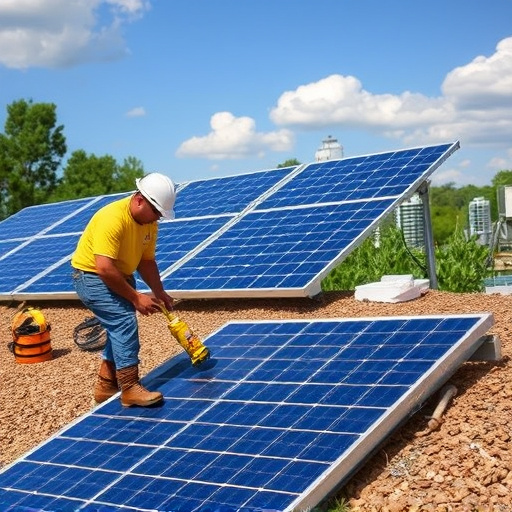
The installation of solar power systems has emerged as a pivotal step in harnessing the abundant potential of solar energy for both residential and commercial applications. This process involves careful planning, precise execution, and adherence to safety protocols to ensure optimal performance and long-term reliability. Let’s explore the step-by-step guide to unlocking the benefits of solar power, providing an in-depth understanding of this transformative technology.
Initiating the process begins with a thorough site assessment. Professionals examine the location for suitable conditions, evaluating factors such as sunlight exposure, shading, and available space. For instance, residential rooftops often offer ideal locations due to their direct sun exposure and ample area. Commercial installations might utilize ground-mounted systems in open spaces or incorporate solar panels into building designs. Data from local meteorological stations can aid in determining the region’s average solar irradiation levels, helping to size the system appropriately.
Once site suitability is confirmed, design and engineering take center stage. Experts map out the system layout, selecting the right equipment based on energy requirements. This phase involves calculating peak power output needed, considering both current and future energy demands. For instance, a commercial office might require higher wattage to power multiple devices simultaneously, whereas a residential setup may focus on heating water or supplemental electricity. After design finalization, permits and incentives are secured, ensuring compliance with local regulations and maximizing financial benefits.
Physical installation follows the design phase, requiring skilled labor and precision. Panels are meticulously mounted, facing the optimal direction for maximum solar exposure. Racks and mounts are securely fastened to ensure stability against varying weather conditions. Wiring is carefully laid, connecting panels to inverters that convert direct current (DC) into alternating current (AC), suitable for home or business use. Grounding and safety systems are also integrated to safeguard against electrical hazards. Post-installation testing and commissioning ensure the system operates efficiently, with any adjustments made to optimize performance.
Maintenance and Optimization: Maximizing Your Solar Investment Over Time
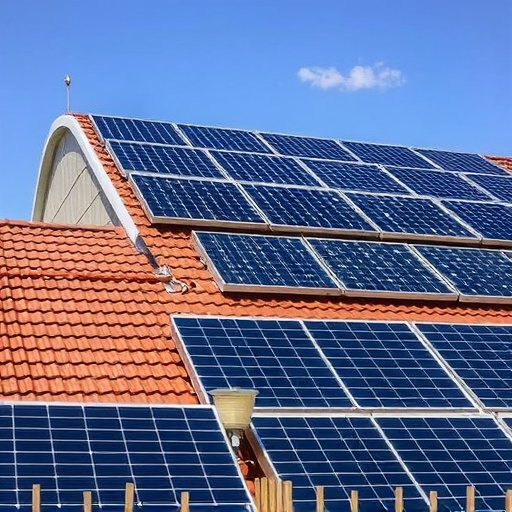
The installation of solar power systems for residential and commercial applications has gained significant momentum as a sustainable energy solution. However, to maximize the benefits of this renewable resource, proper maintenance and optimization strategies are paramount. Regular upkeep ensures not only the longevity of solar panels but also optimizes their performance over time, thereby enhancing your investment in solar energy.
A well-maintained solar system can expect to operate efficiently for 25–30 years or more. During this period, regular cleaning, inspection, and minor repairs can make a substantial difference in energy production. For instance, dust, dirt, and debris can accumulate on panels, reducing their efficiency by up to 25%. A simple yet effective strategy is to regularly wash the panels with clean water and mild detergent, especially in areas prone to high pollution levels. Additionally, monitoring system performance through smart meters or specialized software allows for early detection of any anomalies, enabling prompt action before minor issues escalate into major problems.
Commercial installations, given their larger scale, require a more comprehensive maintenance approach. Regular robotic cleaning, advanced monitoring systems, and predictive analytics can further optimize energy generation. For example, data-driven insights can help identify panels or strings that underperform, allowing for targeted repairs or replacements. Moreover, system configurations can be adjusted based on real-time weather forecasts, ensuring optimal angle and orientation for maximum solar energy capture throughout the year. By integrating these maintenance and optimization practices, both residential and commercial solar installations can achieve higher energy yields, reduce costs, and extend the overall lifespan of their solar systems, naturally contributing to a more sustainable future.
By unraveling the benefits and basics of solar energy, choosing the right residential or commercial system, understanding the installation process, and learning optimal maintenance practices, readers now possess a comprehensive toolkit for harnessing the power of Solar Energy. This article has demystified the complexities, offering clear insights into making informed decisions, ensuring successful installations, and maximizing long-term investments. Armed with this knowledge, individuals and businesses alike can contribute to a sustainable future by embracing clean, renewable energy solutions.