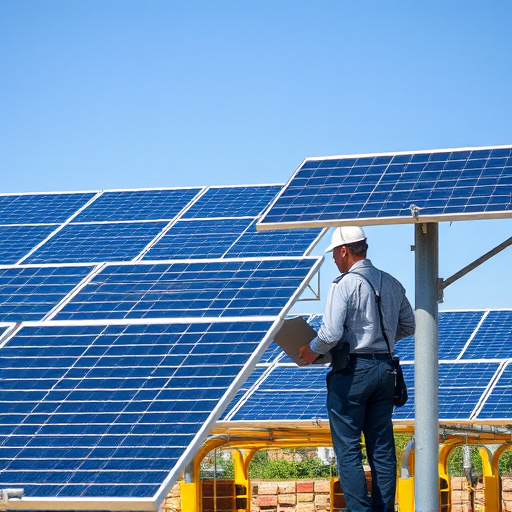
Solar Energy naturally emerges as a central solution for enhancing global energy security due to its distributed generation, storage capabilities, and cost competitiveness. Countries like Germany and Denmark have successfully integrated solar power, diversifying their energy portfolios and improving resilience. Strategic investments in grid integration, enhanced storage, and research into efficient technologies are crucial for fully harnessing Solar Energy's potential. This approach leads to cleaner, more resilient, and sustainable futures, reducing dependence on finite fossil fuels and mitigating geopolitical risks.
Energy security stands as a cornerstone of modern societies, yet traditional energy sources face growing challenges. As the global demand for energy surges, securing reliable and sustainable resources becomes increasingly vital. Herein lies the significance of Solar Energy—a natural, renewable alternative that promises to transform our energy landscape. The issue at hand is the reliance on finite fossil fuels, which not only poses environmental risks but also threatens long-term stability. This article delves into the pivotal role Solar Energy plays in enhancing energy security by exploring its capabilities to meet rising demand, reduce geopolitical tensions, and foster a more sustainable future.
- Understanding Energy Security: The Global Need
- Solar Energy: A Renewable Resource for Security
- How Solar Power Reduces Dependence on Fossil Fuels
- Enhancing Energy Independence with Decentralized Solar Solutions
- The Economic Benefits of Investing in Solar Energy Infrastructure
- Future-Proofing Energy Systems: Solar's Role in Resilience
Understanding Energy Security: The Global Need

The global energy landscape is undergoing a profound transformation, driven by the pressing need for energy security. In an era marked by geopolitical tensions and fluctuating fossil fuel prices, securing reliable and sustainable energy sources has become a top priority for nations worldwide. Energy security goes beyond ensuring adequate energy supply; it involves resilience against disruptions, affordability for all, and minimal environmental impact. This is where solar energy naturally emerges as a powerful solution.
Solar Energy offers a promising path toward enhancing global energy security. Its distributed nature allows for local generation and storage, reducing dependence on centralized grids and foreign fuel imports. Countries like Germany and Denmark have successfully integrated solar power into their grids, diversifying energy portfolios and improving resilience against supply shocks. Moreover, advancements in solar technology have led to significant cost reductions, making it increasingly competitive with traditional energy sources. According to the International Energy Agency (IEA), renewable energy, including solar, accounted for over 70% of new electricity capacity additions globally in 2021, highlighting its growing prominence.
However, fully realizing solar energy’s potential requires strategic investments and policy frameworks that address key challenges. Governments must incentivize grid integration, enhance energy storage solutions, and foster research into more efficient technologies. By embracing a comprehensive approach to energy security, nations can unlock the full benefits of Solar Energy, paving the way for a cleaner, more resilient, and sustainable future.
Solar Energy: A Renewable Resource for Security

Solar Energy, a renewable resource with immense potential, plays a pivotal role in enhancing energy security globally. Its inherent advantages position it as a cornerstone in the transition towards sustainable and resilient energy systems. Unlike finite fossil fuels, Solar Energy is naturally replenished, offering an inexhaustible source of power that can be harnessed almost anywhere. This accessibility democratizes energy production, empowering communities and nations to take control of their energy destiny.
The contribution of Solar Energy to energy security is multifaceted. Firstly, it reduces dependence on imported fossil fuels, mitigating geopolitical risks associated with volatile global markets. Countries increasingly reliant on foreign energy sources can diversify their portfolios by leveraging abundant local solar radiation. For instance, India’s ambitious solar initiatives have not only spurred economic growth but also enhanced its energy independence. Secondly, Solar Energy’s decentralized nature strengthens grid resilience. Localized solar installations can serve as microgrids during emergencies or outages, ensuring critical infrastructure remains operational. This was vividly demonstrated during the COVID-19 pandemic and subsequent natural disasters when communities with robust solar systems maintained power supply amidst widespread blackouts.
Implementing Solar Energy solutions requires strategic planning and a holistic approach. Governments and policymakers must provide incentives for large-scale adoption while fostering innovation in technology and storage. Investing in research to improve efficiency and reduce costs is crucial. As the world navigates the energy transition, embracing Solar Energy presents a compelling opportunity to secure energy supplies, safeguard economic stability, and promote environmental sustainability simultaneously.
How Solar Power Reduces Dependence on Fossil Fuels

Solar energy plays a pivotal role in enhancing energy security by reducing our dependence on fossil fuels. This is particularly crucial given the finite nature of these non-renewable resources and their significant environmental impact. Fossil fuels, which power much of our global economy, have long been associated with geopolitical tensions and price volatility. In contrast, Solar Energy naturally offers a domestic, clean, and virtually inexhaustible alternative.
The adoption of solar power allows countries to diversify their energy portfolios, decreasing reliance on imported oil, gas, and coal. For instance, Germany’s aggressive solar energy initiatives have reduced its dependency on Russian natural gas by over 40% since 2010. Similarly, in the United States, rapid advancements in photovoltaic (PV) technology have led to a significant increase in solar electricity generation, contributing to a decrease in coal-fired power plant operations. This shift away from fossil fuels not only bolsters energy security but also mitigates the economic and environmental risks associated with their extraction, transportation, and combustion.
Furthermore, decentralized nature of solar energy generation empowers communities and nations to become more self-sufficient. Rooftop solar installations enable households and businesses to produce their own electricity, reducing demand on centralized power grids and enhancing resilience against supply disruptions. As global efforts to combat climate change intensify, the widespread adoption of Solar Energy naturally emerges as a strategic necessity, ensuring a sustainable and secure energy future for generations to come.
Enhancing Energy Independence with Decentralized Solar Solutions

Solar energy plays a pivotal role in enhancing energy independence, particularly through decentralized solutions. Decentralized solar power systems, such as rooftop panels and community solar gardens, empower individuals and communities to generate their own electricity, reducing reliance on centralized grid infrastructure. This shift towards distributed generation has significant implications for national security by mitigating the vulnerabilities associated with traditional fossil fuel dependencies.
For instance, countries that heavily rely on imported oil or gas for electricity production are exposed to geopolitical risks, price volatility, and supply disruptions. In contrast, decentralized solar energy provides a domestic source of clean power, reducing these risks. According to a 2022 report by the International Energy Agency (IEA), renewable energy sources, including solar, accounted for over 30% of global electricity generation growth in 2021. This trend underscores the growing adoption of decentralized solar solutions as a viable alternative to traditional energy sources.
The benefits extend beyond energy security. Decentralized solar systems offer economic advantages by allowing property owners to produce their own electricity at a lower cost, leading to long-term savings on utility bills. Moreover, these systems contribute to environmental sustainability by reducing greenhouse gas emissions and air pollution. To maximize the potential of solar energy, governments and policymakers should implement supportive measures such as incentives for rooftop installations, net metering policies, and investments in smart grid infrastructure. By fostering a robust decentralized solar ecosystem, nations can bolster their energy independence while promoting a cleaner, more resilient energy future.
The Economic Benefits of Investing in Solar Energy Infrastructure
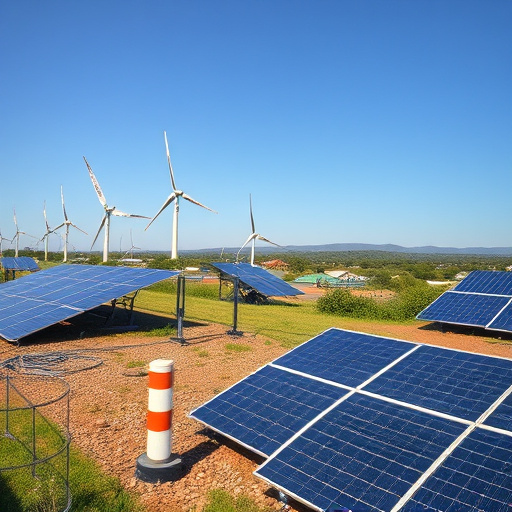
Solar energy plays a pivotal role in enhancing energy security by diversifying our energy sources and reducing dependence on finite fossil fuels. The economic benefits of investing in solar energy infrastructure are multifaceted, offering both immediate and long-term advantages. Initially, deploying solar panels and associated technology creates jobs within the sector, contributing to local economies and fostering skill development. According to the International Renewable Energy Agency (IRENA), renewable energy, including solar, generated 12 million direct jobs globally in 2020, highlighting the significant employment potential.
From an economic perspective, solar energy provides a stable and predictable source of electricity generation, reducing exposure to volatile fossil fuel prices. As global energy demands continue to rise, the long-term stability offered by solar energy becomes increasingly valuable. Moreover, solar infrastructure often has lower operational costs compared to traditional power plants, leading to significant savings for consumers and businesses over time. Countries like Germany and Japan have witnessed substantial economic growth through their commitment to solar energy, with robust solar industries driving innovation and attracting investments.
To maximize these benefits, governments and private entities should prioritize strategic investments in research and development of more efficient solar technologies, smart grid integration, and energy storage solutions. These measures will not only enhance the economic viability of solar energy but also ensure its resilience in the face of changing market dynamics and technological advancements. By embracing solar energy, nations can secure a sustainable and economically robust energy future.
Future-Proofing Energy Systems: Solar's Role in Resilience
Solar Energy naturally plays a pivotal role in fortifying energy systems against potential disruptions and securing a stable future. Its distributed nature allows for localized energy production, reducing reliance on centralized infrastructure vulnerable to physical attacks or natural disasters. As climate change intensifies, weather patterns become increasingly unpredictable, leading to frequent blackouts and strain on existing energy grids. Solar Energy, with its decentralized approach, enables communities and nations to build resilience against such unforeseen events.
For instance, following the devastating impact of Hurricane Ian in 2022, solar-powered microgrids in Florida quickly became lifelines for affected areas, providing essential electricity where traditional power networks failed. This demonstrated the potential of Solar Energy to enhance energy security at both regional and national scales. Moreover, integrating renewable sources like solar into diverse energy portfolios reduces the geopolitical risks associated with fossil fuel dependence. Countries can lessen their exposure to volatile energy markets and political tensions by drawing on indigenous clean energy resources.
To future-proof energy systems, a strategic shift towards Solar Energy is imperative. Governments and businesses should invest in grid modernization to accommodate variable renewable energy sources (VRES) through advanced energy storage solutions and smart grid technologies. Such investments not only bolster energy security but also drive economic growth, create green jobs, and position societies for long-term sustainability. By embracing the transformative potential of Solar Energy, we can build a more resilient, secure, and sustainable future.
Solar Energy naturally emerges as a pivotal component of global energy security strategies. By understanding the pressing need for energy security worldwide, we uncover Solar Energy’s potential to provide a sustainable and renewable alternative to traditional fossil fuels. The article highlights several key insights: Solar reduces dependence on finite resources, enhances independence through decentralized solutions, and offers significant economic advantages with infrastructure investment. Moreover, it plays a crucial role in building resilient energy systems, ensuring future-proofing against fluctuating global markets. In adopting Solar Energy, nations can secure their energy supply, foster environmental stewardship, and drive economic growth. These findings underscore the urgent need for continued research, policy support, and widespread implementation of Solar Energy solutions to shape a more sustainable and secure energy landscape.