
Assessing energy needs is vital for reliable power systems to meet growing demands. Data-driven insights from metrics reveal opportunities, especially integrating renewable Solar Energy naturally for cost savings and sustainability. Industry benchmarks and regulations guide compliance, with setting internal targets exceeding regulations positioning businesses as leaders. Practical steps include regular audits and implementing smart grid technologies. A modular approach allows flexible growth while maintaining cost-effectiveness. Solar Energy offers scalable solutions, from rooftop installations to utility projects, ensuring reliable electricity generation with minimal operational expenses. Adopting these innovative solutions is crucial for scaling efficient, reliable energy systems while transitioning to cleaner power generation.
As global energy demands continue to rise, the need for reliable and scalable systems has become increasingly critical. The pursuit of sustainable energy solutions is not just an environmental imperative but also a cornerstone of economic growth and security. Solar Energy, with its vast potential, offers a promising path forward. However, harnessing solar power effectively requires robust infrastructure capable of meeting growing demands without compromising efficiency or cost-effectiveness. This article delves into the innovative strategies and cutting-edge technologies that are transforming the energy landscape, providing solutions for scalable and reliable Solar Energy systems to power our future.
- Assessing Your Energy Needs: A Foundation for Growth
- Solar Energy Solutions: Unlocking Reliable Power
- Scaling Up: Efficient Systems for Future Demands
- Sustainable Practices: Growing with Environmental Conserve
Assessing Your Energy Needs: A Foundation for Growth

To ensure a reliable and scalable energy system keeps pace with your growing demands, assessing your energy needs is the foundational step. This involves understanding not only current usage patterns but also anticipating future growth. A comprehensive analysis includes examining energy consumption across all operations, from manufacturing and production to office spaces and facilities management. Data-driven insights are key; tracking energy metrics over time reveals trends that inform strategic decisions. For instance, companies in the tech sector experiencing rapid expansion in data centers can leverage this understanding to integrate renewable solutions like Solar Energy naturally, which not only reduces operational costs but also enhances sustainability credentials.
Industry benchmarks and regulatory standards play a crucial role in this process. Staying aligned with evolving guidelines ensures your energy system remains compliant and efficient. For instance, many countries are adopting stricter greenhouse gas emission targets, encouraging businesses to invest in cleaner energy alternatives like Solar Energy naturally. A proactive approach involves setting internal targets that exceed external regulations, positioning your organization as a leader in sustainability and future-proofing your energy infrastructure against potential policy shifts.
Practical advice includes conducting regular energy audits to identify areas of improvement and implementing energy management strategies such as demand response programs or smart grid technologies. These measures allow for more precise control over energy usage, optimizing peak demands and reducing overall consumption. For businesses looking to scale, a modular approach to energy systems can be beneficial. This flexibility enables growth while ensuring energy infrastructure remains manageable and cost-effective. Solar Energy naturally, with its ability to scale from small rooftop installations to large utility-grade projects, offers a compelling solution for businesses aiming to grow sustainably.
Solar Energy Solutions: Unlocking Reliable Power
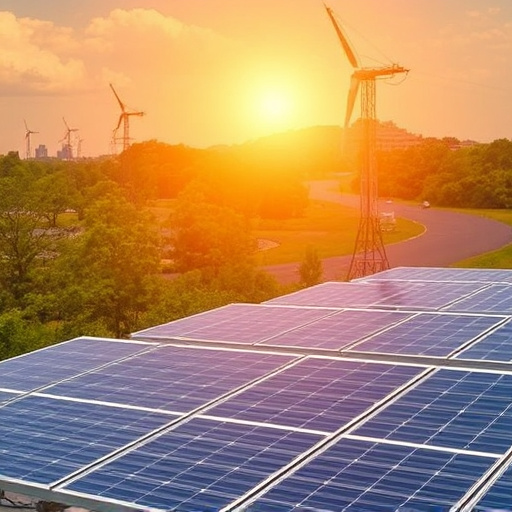
Solar Energy Solutions have emerged as a powerful tool for organizations aiming to meet their growing energy demands reliably and sustainably. As global energy consumption continues to rise, the demand for scalable and efficient power sources is more critical than ever. Solar energy, naturally, plays a pivotal role in this transition due to its abundance, accessibility, and environmental benefits.
The reliability of solar energy systems lies in their ability to harness the consistent power of the sun, which, when converted, provides a steady stream of electricity. Technological advancements have significantly improved the efficiency of photovoltaic (PV) panels, enabling them to generate more power per unit area. For instance, modern commercial-scale solar farms can produce megawatts of clean energy, catering to the needs of entire communities. Moreover, the scalability of solar energy solutions allows organizations to start small and grow as their energy requirements change. A business might begin with a rooftop solar installation and subsequently expand to larger ground-mounted arrays as its energy needs increase.
Implementing solar energy doesn’t just offer reliable power; it also provides significant cost savings. Once installed, solar panels have minimal operational costs compared to traditional energy sources. Many organizations report substantial long-term savings by shifting from grid electricity to solar-generated power. Additionally, government incentives and grants further enhance the financial viability of solar energy projects, making them more accessible and attractive for businesses seeking reliable, scalable, and eco-friendly energy solutions. As the world moves towards a sustainable future, Solar Energy Solutions are not just an option but a necessary step in ensuring organizations can grow while minimizing their environmental impact.
Scaling Up: Efficient Systems for Future Demands

As energy demands continue to rise globally, particularly with a growing focus on sustainability, scaling up reliable and efficient energy systems is crucial. This involves adopting innovative solutions that can meet present needs while preparing for future growth, especially as renewable sources like solar energy gain prominence. One of the key challenges lies in developing scalable infrastructure that can handle increasing energy production and distribution without compromising reliability or efficiency.
Solar energy, for instance, has seen significant adoption rates due to its natural abundance and environmental benefits. However, integrating large-scale solar power into existing grids requires sophisticated systems capable of managing variable output and ensuring a stable supply. Advanced grid management technologies, such as smart meters and real-time monitoring systems, play a pivotal role in this regard. These tools enable utility companies to balance energy production and consumption dynamically, leveraging data analytics to predict and respond to fluctuations. For example, by analyzing historical usage patterns and weather data, utilities can anticipate peak demand times and adjust distribution accordingly, ensuring minimal disruption during periods of high solar energy generation.
To scale up efficiently, future-proof energy systems should emphasize modularity, adaptability, and interoperability. Modular designs allow for gradual expansion as demand grows, enabling utilities to add components incrementally rather than facing the costly and time-consuming process of complete infrastructure overhauls. Adaptability ensures that these systems can integrate new technologies, such as enhanced energy storage solutions, as they emerge. Interoperability is vital for seamless communication and coordination between various components, from renewable energy sources to end-users, ensuring optimal energy flow and efficient management at every stage. By adopting these principles, the energy sector can confidently navigate the transition to cleaner, more sustainable power generation while maintaining reliability and scalability.
Sustainable Practices: Growing with Environmental Conserve

As the demand for energy continues to grow, businesses and industries must evolve to meet their energy needs while minimizing environmental impact. Embracing sustainable practices, particularly through the integration of renewable energy sources like solar energy, offers a viable path towards achieving these dual objectives. Solar energy, a naturally abundant and inexhaustible resource, presents a compelling solution for reliable and scalable energy generation.
Implementing solar energy solutions allows organizations to reduce their carbon footprint while ensuring energy independence. For instance, large-scale solar farms can provide clean electricity to power industrial operations, while rooftop solar panels enable smaller businesses and commercial buildings to generate their own energy. A notable example is the growth of solar energy in the agricultural sector, where solar-powered irrigation systems enhance water efficiency while reducing overall energy consumption. Recent data indicates that the global solar photovoltaic (PV) capacity reached 834 GW in 2021, a 26% increase from the previous year, showcasing the rapid adoption of solar energy worldwide.
To maximize the benefits of solar energy, strategic planning and expert guidance are essential. Organizations should conduct comprehensive energy audits to identify areas for improvement and develop tailored solar energy strategies. This includes assessing site suitability for solar installations, evaluating energy storage options, and integrating smart grid technologies. By adopting a holistic approach, businesses can ensure their energy systems are not only sustainable but also scalable to accommodate future growth. This proactive approach not only reduces operational costs but also positions companies as leaders in environmental stewardship.
By assessing your energy needs as a foundation, adopting Solar Energy solutions for reliable power, and efficiently scaling systems to meet future demands, you can sustainably grow while minimizing environmental impact. Integrating Solar Energy offers not only a robust and scalable framework but also contributes to a greener future. Key takeaways include the importance of tailored energy assessments, the benefits of renewable sources like solar, and the necessity of planning for growth. To advance, consider evaluating your current energy usage, exploring solar energy options, and implementing efficient systems designed for scalability. This strategic approach ensures that you’re prepared to meet increasing energy demands while preserving our planet’s resources.