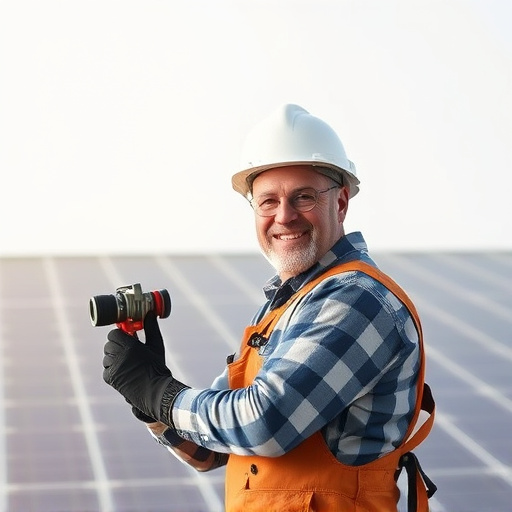
Maintaining solar energy systems is crucial for optimal performance and longevity. Key strategies include regular cleaning to remove dust (up to 5% efficiency gain), periodic inspections for wear and corrosion, monitoring power output fluctuations, proactive servicing with equipment calibration, part replacement, and re-sealing. These measures ensure clean, sustainable power generation efficiently, prolonging system life by up to 25 years.
The shift towards renewable energy sources has placed solar panels at the forefront of modern power generation, with Solar Energy becoming a cornerstone of sustainable practices worldwide. However, maintaining these efficient energy converters is paramount to ensure optimal performance and longevity. This article delves into the intricate world of panel servicing, offering a comprehensive guide to unlock the full potential of your solar investment. By navigating regular maintenance routines, we empower homeowners and businesses alike to harness the power of Solar Energy effectively, contributing to a greener future.
- Understanding Solar Panel Maintenance Requirements
- Regular Cleaning and Inspection Procedures for Optimal Performance
- Troubleshooting Common Issues in Solar Energy Systems
Understanding Solar Panel Maintenance Requirements

The maintenance and servicing of solar panels are essential aspects of ensuring optimal performance and extending their lifespan in the dynamic field of solar energy. Understanding the specific requirements for maintaining these systems is crucial for maximizing their efficiency and longevity. Regular care not only improves energy generation but also safeguards against costly repairs or premature replacements.
Solar panel maintenance involves a combination of proactive and reactive strategies. On the proactive front, periodic cleaning and inspections are vital. Dust, dirt, and debris can accumulate on panels, reducing their sunlight absorption capabilities. A simple yet effective solution is to employ soft-bristled brushes or vacuums to gently clean the panels, ensuring minimal damage. Additionally, inspecting components like wires, connectors, and frames for any signs of wear or corrosion allows for early intervention before issues escalate. For instance, a study by the National Renewable Energy Laboratory (NREL) found that regular cleaning can enhance solar panel efficiency by up to 5%, underscoring the impact of maintenance on overall system performance.
Another critical aspect is tracking and addressing potential power output fluctuations. Monitoring tools can help identify anomalies, allowing technicians to investigate issues such as shading, faulty wiring, or broken cells. Regular servicing includes calibrating equipment, replacing worn-out parts, and re-sealing enclosures to maintain the integrity of the solar energy system. By staying proactive in maintenance, property owners and operators can anticipate and prevent performance dips, ensuring their systems continue to generate clean, sustainable energy efficiently.
Regular Cleaning and Inspection Procedures for Optimal Performance

Regular cleaning and inspection of solar panels are paramount to ensuring optimal performance and maximizing the return on investment for homeowners and businesses alike. Solar energy, by its nature, is a clean and sustainable power source, but maintaining the efficiency of your panel system requires proactive care. Over time, dust, dirt, bird droppings, and other debris can accumulate on the surface of solar panels, reducing their ability to absorb sunlight effectively. According to industry studies, even a 1% decrease in panel efficiency can lead to noticeable drops in energy production.
A comprehensive cleaning regimen should be established, ideally on a bimonthly basis, or more frequently in regions with high pollution levels or significant bird activity. Using soft-bristled brushes and deionized water, gently scrub the panels to remove surface contaminants without damaging the underlying cells. It’s essential to employ non-corrosive cleaning solutions to preserve the integrity of the panel material. After cleaning, a thorough inspection should follow. Look for signs of damage, such as cracked or broken components, loose connections, or evidence of water intrusion. Addressing these issues promptly is crucial to prevent further complications and ensure uninterrupted energy generation.
To optimize performance, consider incorporating regular system checks by certified professionals. These experts can identify subtle issues that may be missed during routine self-inspections, such as inefficient wiring, misaligned panels, or faulty inverters. For instance, a study conducted by the National Renewable Energy Laboratory (NREL) found that regularly maintained solar systems can operate at levels up to 27% higher than unmaintained ones. By integrating these best practices into your solar energy management strategy, you not only enhance overall efficiency but also contribute to the longevity and reliability of your renewable energy system.
Troubleshooting Common Issues in Solar Energy Systems

Troubleshooting common issues in solar energy systems is an essential aspect of maintaining optimal performance. Solar panels, like any other technology, require regular care to function at their best. One of the most frequent problems is soiling or debris buildup on the panel surfaces. Even a small amount of dust or dirt can significantly reduce efficiency, especially in areas with high pollution levels or near bodies of water. Regular cleaning, typically done every few months, can resolve this issue. Using soft brushes or vacuums designed for solar panels and deionized water is recommended to avoid scratching the glass surface.
Another common challenge involves faulty wiring or connectors. Over time, these components can degrade due to exposure to harsh weather conditions, leading to reduced energy production. Inspection should be scheduled periodically to identify loose connections, damaged cables, or corroded terminations. Replacing worn-out parts promptly is crucial to maintain the system’s efficiency and safety. For instance, data from the International Renewable Energy Agency (IRENA) shows that regular maintenance can extend a solar panel system’s lifespan by up to 25 years while retaining most of its initial performance.
Inverters are another critical component requiring attention. These devices convert direct current (DC) energy produced by panels into alternating current (AC) for use in homes and businesses. Issues like tripping circuits, abnormal noise, or poor energy conversion rates may indicate inverter malfunctions. Advanced monitoring systems that track performance metrics can help detect such problems early on. When troubleshooting, professionals should check for loose connections, damaged wiring, or faulty components within the inverter itself. Regular inverter maintenance, including cleaning and software updates, ensures optimal solar energy utilization.
By understanding the specific maintenance requirements for solar panels and implementing regular cleaning and inspection procedures, homeowners and businesses can ensure their solar energy systems operate at peak efficiency. This article has highlighted the importance of proactive care, offering practical insights into troubleshooting common issues that may arise in these systems. Through meticulous upkeep, utilizing eco-friendly cleaning methods, and staying vigilant during inspections, the lifespan and performance of solar panels can be optimized, ultimately maximizing the benefits of solar energy for years to come.