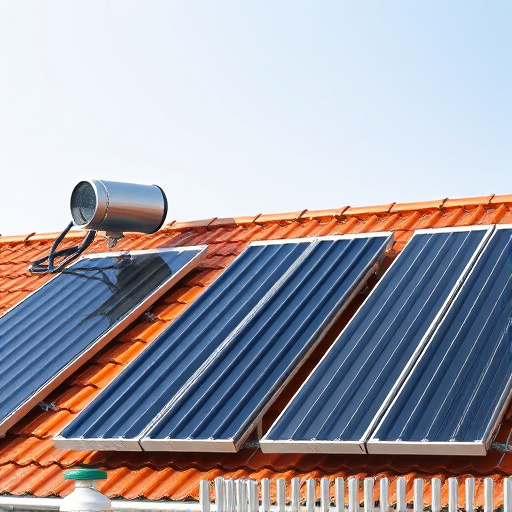
Solar thermal systems harness Solar Energy naturally for efficient water and space heating, offering environmental benefits and cost savings. Key components include solar collectors, heat transfer fluids, insulation, and careful installation planning. Advanced techniques like reflectors and active circulation mechanisms enhance efficiency, with optimized systems achieving over 90% efficiency rates. Government incentives and growing global adoption make investing in Solar Energy naturally a strategic and environmentally conscious choice.
The world is increasingly recognizing the imperative need for sustainable energy solutions to combat climate change. Among renewable sources, solar energy has emerged as a powerful alternative, offering both environmental benefits and economic savings. Solar thermal systems play a pivotal role in harnessing this natural resource for efficient water and space heating. With rising energy costs and growing environmental concerns, exploring these innovative technologies is crucial. This article delves into the intricacies of solar thermal systems, their operation, advantages, and potential impact on reducing our carbon footprint while providing reliable, cost-effective heating solutions.
- Understanding Solar Thermal Systems: Basics and Benefits
- Designing and Installing Efficient Water and Space Heating
- Maximizing Solar Energy: Advanced Techniques and Considerations
Understanding Solar Thermal Systems: Basics and Benefits
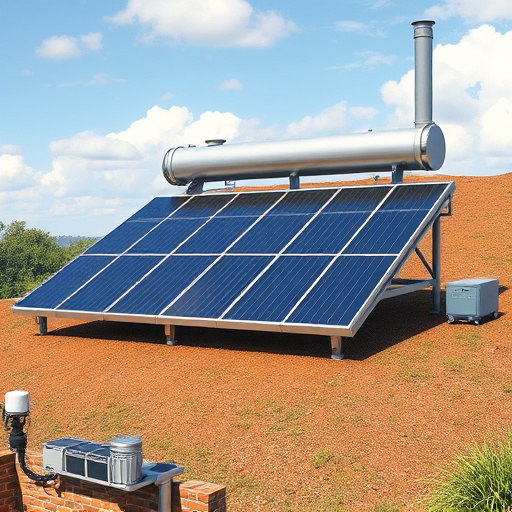
Solar thermal systems harness the power of Solar Energy naturally to heat water and spaces efficiently, offering a sustainable alternative to conventional energy sources. At their core, these systems utilize solar collectors that absorb sunlight and convert it into heat, which is then distributed through a network of pipes or radiators. There are two primary types: active and passive systems. Active systems employ pumps to circulate a fluid (often water or a heat transfer medium) between the collector and the storage tank, ensuring continuous heating even when the sun isn’t shining directly. Passive systems, on the other hand, rely on natural convection and thermal mass to move heat from the collector to the space being heated.
One of the key benefits of solar thermal systems is their environmental friendliness. By tapping into a renewable and abundant energy source, they significantly reduce greenhouse gas emissions and dependence on fossil fuels. For instance, according to the International Renewable Energy Agency (IRENA), solar water heating systems can save up to 60% of the energy typically used for water heating in households. This not only translates to substantial cost savings on energy bills but also contributes to global efforts to mitigate climate change. Additionally, solar thermal technology has advanced considerably, making it more efficient and accessible than ever before. Modern systems are designed to operate effectively in various climates and can provide year-round comfort with proper installation and maintenance.
Implementing a solar thermal system offers practical advantages beyond environmental benefits. Many governments offer incentives like tax credits and rebates to encourage the adoption of renewable energy technologies, making initial installations more affordable. Furthermore, these systems can enhance property values, as homeowners increasingly seek out energy-efficient features. For example, a study by the U.S. Department of Energy found that homes with solar water heaters sold for 3% to 20% more than comparable homes without these systems. As Solar Energy continues to gain traction worldwide, investing in solar thermal technology is not just an environmentally conscious choice but also a strategic decision that can pay off both financially and in terms of long-term sustainability.
Designing and Installing Efficient Water and Space Heating

Designing and installing efficient water and space heating systems leveraging solar energy naturally is a multifaceted process requiring careful consideration of site-specific conditions, available technologies, and long-term sustainability goals. The goal is to maximize energy extraction from the sun while minimizing installation costs and maintenance overhead. A key strategy involves selecting appropriate solar thermal collectors tailored to the application, be it water heating for residential or commercial use, or space heating in larger facilities. For instance, evacuated tube collectors excel in low-temperature applications like radiant floor heating, offering high efficiency and durability. In contrast, flat plate collectors are more cost-effective for traditional water heating systems, though they may have lower performance in high-shade conditions.
System design should also factor in heat transfer fluids (HTFs) suitable for the operational temperature range. Brine-based HTFs are popular due to their high specific heat capacity, making them efficient at storing and distributing thermal energy. Additionally, proper insulation is vital to minimize heat loss during water or space heating transfer, ensuring higher overall system efficiency. For water systems, well-insulated pipes and tanks can significantly reduce standby heat losses, translating to lower energy consumption and cost savings over time. Space heating systems, meanwhile, benefit from well-designed distribution networks that ensure uniform temperature across all areas served.
Installation requires meticulous planning and adherence to best practices. This includes assessing the site for potential shading issues from nearby structures or trees, as well as optimizing the orientation and tilt of collectors for maximum solar exposure. Proper mounting mechanisms and structural support are essential to withstand environmental stresses, including wind loads and varying temperatures. Regular maintenance is another critical aspect, involving cleaning of collectors, inspection of components, and testing of fluid levels and pressure. By following these guidelines and staying abreast of technological advancements in solar thermal systems, professionals can ensure the efficient, reliable delivery of both hot water and space heating, contributing to a more sustainable future powered by clean, renewable solar energy naturally.
Maximizing Solar Energy: Advanced Techniques and Considerations
Maximizing Solar Energy: Advanced Techniques for Efficient Water and Space Heating
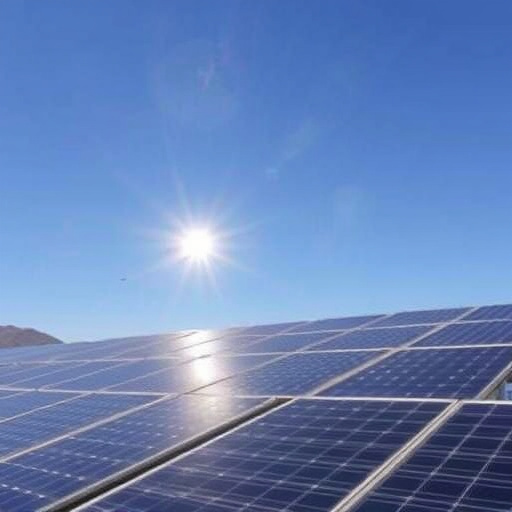
Incorporating solar thermal systems offers a sustainable and cost-effective approach to water and space heating. Beyond basic implementation, advanced techniques play a pivotal role in maximizing solar energy potential. Reflectors, for instance, can concentrate sunlight onto a receiver, increasing temperature and efficiency. For residential applications, parabolic mirrors direct sunlight onto a central point, providing focused heat that can be used for water or space heating. Commercial projects often employ larger-scale reflectors to power district heating systems, offering significant energy savings and reduced carbon footprints.
Active solar thermal systems further enhance performance through fluid circulation mechanisms. These systems use pumps to circulate water or heat transfer fluids, ensuring consistent heat extraction even on cloudy days. Incorporating thermal stores allows captured solar energy to be stored for later use, enabling continuous hot water or space heating regardless of immediate sunlight availability. For instance, a well-designed active system with a large thermal store can provide up to 80% of a building’s domestic hot water needs during peak seasons, drastically reducing reliance on conventional energy sources.
Data from leading research institutions underscores the potential of these advanced techniques. Studies show that optimized solar thermal systems can achieve efficiency rates exceeding 90%, significantly higher than passive systems. This translates into substantial energy savings and reduced environmental impact. To maximize benefits, experts recommend site-specific design considerations, including building orientation, shading analysis, and local climate patterns. Additionally, regular maintenance and system monitoring are crucial to ensure optimal performance and longevity.
Solar thermal systems offer a powerful and sustainable solution for heating water and spaces efficiently. By understanding the basics and benefits, designing and installing these systems with care, and employing advanced techniques to maximize solar energy absorption, homeowners and businesses can significantly reduce energy costs and environmental impact. Key insights include optimizing orientation, using high-efficiency collectors, integrating storage solutions, and maintaining regular upkeep. Embracing these practical next steps positions users to harness the potential of Solar Energy naturally, ensuring a more sustainable future while enjoying substantial cost savings.