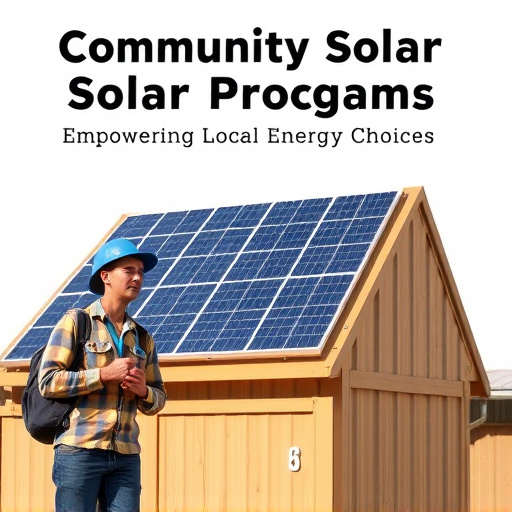
Community solar programs democratize access to Solar Energy by pooling resources, lowering costs, and sharing benefits among participants. They foster local economic growth, promote energy independence, and raise awareness about sustainable practices. Successful implementation requires strategic planning, local incentives, collaboration, clear communication, transparent governance, tailored financing, and flexible payment options. These initiatives empower individuals to mitigate climate change and contribute to a more equitable future through collective Solar Energy adoption.
Community solar programs have emerged as a powerful tool to democratize access to renewable energy, particularly for those who rent or live in shaded areas, limiting their ability to install individual solar panels. This approach, centered around shared Solar Energy resources, offers a compelling solution to the growing demand for sustainable power. By aggregating community members’ needs and resources, these programs overcome financial and logistical barriers, enabling widespread adoption of clean energy. This article delves into the intricate workings, benefits, and future prospects of community solar initiatives, providing valuable insights for both advocates and newcomers to this transformative movement.
- Understanding Community Solar Programs: Empowering Local Energy Choices
- Benefits and Implementation: Unlocking Solar Energy's Collective Power
Understanding Community Solar Programs: Empowering Local Energy Choices
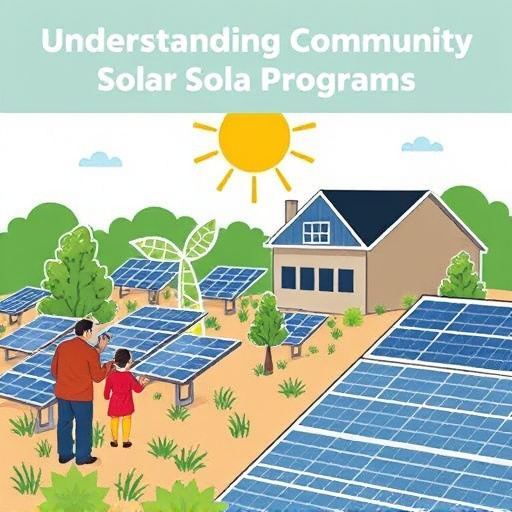
Community solar programs are transforming the way individuals and businesses access and manage solar energy, empowering local energy choices and fostering a more sustainable future. These initiatives, which involve collective efforts to install and maintain solar panels, offer a range of benefits beyond individual savings on electricity bills. By pooling resources and expertise, communities can unlock substantial cost advantages while increasing the adoption of clean, renewable solar energy.
At their core, community solar programs democratize access to solar power, making it available to those who may not have the financial means or technical knowledge to install rooftop panels independently. For instance, low-income households or individuals renting apartments lack property ownership, limiting their ability to invest in solar. Community initiatives circumvent these barriers by allowing participants to subscribe to a portion of a larger solar project, providing them with the benefits of reduced energy costs without requiring upfront investment. This model has shown remarkable success; according to the U.S. Department of Energy, community solar projects have enabled over 500,000 Americans to access affordable clean energy as of 2021.
Furthermore, these programs encourage local economic growth and energy independence. By aggregate demand, communities can negotiate better rates with utility companies and even generate revenue through surplus energy sales. For example, a large-scale community solar farm in rural areas can provide jobs during construction and ongoing maintenance, contributing to the local economy. Moreover, as these projects often involve education and outreach efforts, they raise awareness about sustainable practices, empowering individuals to make informed choices regarding their energy consumption.
Benefits and Implementation: Unlocking Solar Energy's Collective Power

Community solar programs offer a powerful solution to democratize access to renewable energy, empowering multiple users within a shared ecosystem. By pooling resources and collective purchasing power, these initiatives lower barriers to entry for individuals and businesses that might otherwise struggle with upfront costs or lack technical expertise. Each participant benefits from reduced solar installation expenses, while collectively they own and share in the production of clean, reliable solar energy.
Implementing successful community solar requires strategic planning and collaboration. Local governments play a crucial role by providing incentives, streamlining permitting processes, and facilitating partnerships between developers, utilities, and interested residents. For instance, California’s Community Solar Program has facilitated over 400 projects, generating significant environmental benefits while empowering diverse communities to embrace solar energy. Data from the U.S. Energy Information Administration (EIA) reveals that distributed solar resources, including community programs, have grown exponentially in recent years, underscoring their growing acceptance and impact.
Expert advice emphasizes the importance of clear communication, transparent governance, and tailored financing models. Engaging stakeholders early and often ensures buy-in from all users. Offering flexible payment options beyond traditional equity shares can broaden participation. For example, some programs allow tenants to benefit from solar installations on shared rooftops through net metering agreements, enabling them to reduce energy costs without significant upfront investment. By unlocking the collective power of Solar Energy through these initiatives, communities not only mitigate climate change but also foster a more equitable and sustainable future for all members.
Community solar programs represent a powerful tool for democratizing access to Solar Energy and driving sustainable energy choices at the local level. By understanding the underlying principles and benefits, communities can unlock collective advantages such as cost savings, environmental stewardship, and energy independence. Implementation strategies highlighted in this article underscore the feasibility and impact of these programs, providing valuable insights for stakeholders across the energy sector. Moving forward, embracing community solar initiatives naturally aligns with global efforts to transition towards cleaner, more equitable energy systems, fostering a sustainable future for all.