Off-grid solar solutions harness Solar Energy naturally for independent power, promoting energy independence, resilience, and environmental stewardship. Key components include PV panels, inverters, and energy storage systems (ESS), with site assessment, maintenance, and technological advancements crucial for optimal performance. Designing such systems involves careful planning, component selection, and sizing based on regional sunlight, shading, and energy demands. Lithium-ion batteries store surplus solar energy, enabling consistent power supply. Integrating and optimizing these systems, with regular monitoring and cleaning, ensures reliable, long-term energy independence from traditional grids.
In today’s world, the quest for energy independence and sustainable living has gained significant traction. As global concerns about climate change mount, individuals and communities are seeking off-grid solar solutions to break free from traditional energy networks. Solar energy, a renewable and abundant resource, offers a promising path forward. However, navigating the complexities of designing and implementing effective off-grid systems can be daunting. This article delves into the intricacies of off-grid solar technologies, providing an authoritative guide for achieving true energy independence. By exploring cutting-edge solutions and best practices, we empower readers to make informed decisions and embrace a greener future powered by nature’s gift: solar energy.
- Understanding Off-Grid Solar Basics
- Designing Your Solar Energy System
- Choosing the Right Solar Panels
- Storing Solar Energy Effortlessly
- Integrating and Optimizing Systems
- Maintaining Your Independent Power Source
Understanding Off-Grid Solar Basics

Off-grid solar solutions leverage solar energy naturally to power homes, businesses, and communities independent of traditional electricity grids. This robust and sustainable approach to energy generation offers a path toward energy independence, resilience, and environmental stewardship. At its core, off-grid solar involves integrating photovoltaic (PV) panels with energy storage systems (ESS), such as batteries, to capture and store sunlight during the day for use at night or during periods of low sunlight.
The first step in understanding off-grid solar is grasping the basic components that make up these systems. PV panels convert sunlight directly into electricity through the photovoltaic effect, a process where photons from the sun knock electrons loose from atoms, generating a flow of electric current. This DC (direct current) power is then regulated by an inverter, which converts it into AC (alternating current), suitable for use in homes and businesses. Energy storage systems, often lithium-ion batteries, are crucial as they store excess energy generated during sunny periods for later use when sunlight is scarce or absent.
Site assessment plays a vital role in the design of off-grid solar systems. Key factors include understanding local weather patterns, shading from trees or nearby structures, and available roof space or land for mounting PV panels. For instance, regions with higher average daily solar irradiance—the amount of sunlight reaching a surface per unit area—offer greater potential for efficient energy generation. Historical weather data can be invaluable in predicting energy needs and system performance over time. System designers also consider load profiling, analyzing the energy consumption patterns of specific equipment and appliances to ensure adequate power supply during peak demand periods.
To ensure optimal performance and longevity, off-grid solar systems require regular maintenance. This includes cleaning panels to maximize sunlight absorption, inspecting wiring and connectors for damage or corrosion, and monitoring battery health through regular voltage and current readings. For example, leading manufacturers offer smart battery monitors that track key parameters in real time, enabling proactive management of ESS health and performance. Moreover, staying updated on technological advancements, such as more efficient panel designs and innovative battery technologies, allows system owners to make informed decisions about upgrades or expansions, enhancing energy independence over the long term.
Designing Your Solar Energy System
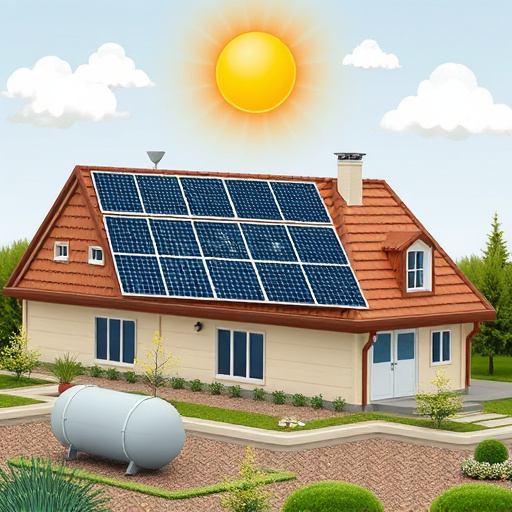
Designing a solar energy system for off-grid independence requires careful consideration of site-specific variables, energy consumption patterns, and long-term sustainability goals. The first step is assessing your location’s solar exposure and weather patterns to ensure optimal performance. For instance, regions with consistent high sunshine hours are ideal for harnessing the full potential of solar energy. Utilizing tools like irradiance calculators can provide detailed data on expected energy production based on your exact latitude, longitude, and local climate conditions. This data is crucial in sizing your solar array appropriately.
Next, understanding your energy needs is paramount. Audit your current electricity usage to determine peak demand and average daily consumption. This knowledge guides the selection of solar panels, batteries, and other components. For example, a family of four might require a 5-kilowatt (kW) solar array to cover their annual energy needs, including heating, lighting, appliances, and even an electric vehicle. It’s essential to balance system size with budget while considering potential future expansions.
Component selection should be based on quality and efficiency. Look for high-performance panels with efficient designs, as these can make a significant difference in overall system output. Advanced solar inverters that maximize power generation and minimize losses are also critical components. For off-grid systems, battery storage capacity is key; it ensures energy independence during periods of low sunlight or high demand. Lithium-ion batteries, known for their longevity and reliability, offer efficient energy storage solutions. Regular maintenance and monitoring will ensure your system operates at peak efficiency over its lifespan.
Choosing the Right Solar Panels

Selecting the appropriate solar panels is a pivotal step in achieving energy independence through off-grid solar solutions. When considering this aspect, several key factors come into play. First and foremost, it’s essential to evaluate your specific energy needs and the local environmental conditions. Different regions experience varying levels of sunlight exposure throughout the year, influencing the efficiency of solar panels. For instance, areas with consistent high sunlight availability might benefit from thin-film flexible solar panels, while cloudy or seasonal variations may call for more robust, traditional silicon-based panels.
Moreover, understanding your site’s shading patterns is critical. Trees, buildings, or other obstructions can significantly reduce the effectiveness of solar panels. High-efficiency panels with advanced microinverters offer a solution in shaded areas by maximizing energy capture from partial sun exposure. For instance, a study by the National Renewable Energy Laboratory (NREL) demonstrated that microinverter systems can increase overall system efficiency by up to 10% compared to string inverter setups, especially in partially shaded installations.
Another strategic choice involves selecting panels with appropriate wattage and voltage levels tailored to your energy consumption patterns and existing infrastructure. High-wattage solar panels generate more electricity per square foot, making them ideal for areas with limited space or high energy demands. On the other hand, lower-wattage options can be cost-effective and suitable for smaller installations or regions with less intense sunlight. For example, residential homeowners in temperate climates might opt for 300W-600W panels, while commercial ground-mounted systems in sunnier locations could employ 750W+ modules to maximize energy production.
Lastly, staying informed about industry trends and technological advancements is paramount. Modern solar panels come with enhanced features such as better temperature tolerance, improved durability, and longer warranties, ensuring long-term reliability. Additionally, integrating smart monitoring systems allows for real-time tracking of panel performance, enabling proactive maintenance and maximizing the return on your off-grid solar investment.
Storing Solar Energy Effortlessly

Storing solar energy effortlessly is a key enabler for off-grid living and energy independence. Unlike grid-tied systems that rely on the constant flow of electricity from the power company, off-grid setups demand efficient management of solar energy production and consumption. The good news is that advancements in battery technology have significantly improved the ability to capture and store solar energy, making off-grid solutions more feasible and reliable.
One of the most popular options is lithium-ion batteries, which offer high energy density and long lifespan, allowing for efficient storage of surplus solar energy produced during daylight hours for use at night or during periods of low sunlight. For instance, a 10-kilowatt-hour (kWh) lithium-ion battery can store enough power to support a typical household for several days without sunlight, providing a significant buffer against unpredictable weather patterns and ensuring consistent access to electricity. According to a study by the International Renewable Energy Agency (IRENA), households equipped with solar batteries can reduce their reliance on grid electricity by up to 80%, significantly enhancing energy independence.
Implementing an off-grid solar system requires careful planning and sizing. Homeowners should assess their energy needs, considering appliances, heating/cooling systems, and lighting requirements. Professional installers can then design a system that includes the appropriate number of solar panels and battery capacity to meet these demands. Regular maintenance, including cleaning panels and checking battery health, is crucial to ensure optimal performance over time. By storing solar energy effortlessly through modern battery solutions, individuals can take control of their energy destiny, reducing costs, minimizing environmental impact, and enjoying the freedom of true energy independence.
Integrating and Optimizing Systems

Integrating and optimizing solar energy systems is a key aspect of achieving true energy independence, allowing individuals and communities to break free from traditional power grids. This process involves seamlessly incorporating solar panels into existing infrastructure while maximizing their efficiency and effectiveness. A well-designed off-grid solar system can meet diverse energy demands, from powering homes and businesses to supporting agricultural operations and remote communities.
One of the primary challenges in optimization is ensuring energy storage aligns with generation. Advanced battery technologies play a pivotal role here. For instance, lithium-ion batteries offer high energy density, making them ideal for storing excess solar power generated during peak hours for use during periods of low or no sunlight. This strategic management prevents energy wastage and ensures a consistent power supply. Consider a rural farm that utilizes solar panels to power its operations; by employing a sophisticated battery system, they can store energy produced during sunny days, enabling continuous electricity even at night or on cloudy days.
Additionally, microinverters and string inverters facilitate the efficient conversion of direct current (DC) to alternating current (AC), enhancing overall system performance. Microinverters, attached to each solar panel, provide individual monitoring and optimization, while string inverters, connecting multiple panels in series, offer centralized control. For instance, a residential off-grid home might employ microinverters to ensure each panel operates at its highest efficiency, with a central string inverter managing the overall system and converting power for use within the home. Regular system monitoring and adjustments based on weather patterns, usage trends, and technological advancements are essential practices to maintain optimal performance.
Maintaining Your Independent Power Source

Maintaining an off-grid solar power system requires a proactive approach to ensure its longevity and reliability as a source of energy independence. Regular cleaning and maintenance are crucial, especially for solar panels, as dust, debris, and bird droppings can significantly reduce their efficiency. A recommended practice is to establish a cleaning schedule tailored to your local environment—areas prone to high pollution or frequent fog might require more frequent attention. Using soft-bristled brushes and distilled water, gently clean the panels to prevent damage from harsh chemicals.
Monitoring system performance is another vital aspect. Most off-grid setups come with monitoring devices that track energy production and system health. Regularly reviewing these reports allows you to identify any anomalies and take preventive measures. For instance, a sudden drop in solar energy capture could indicate shading issues or equipment malfunction, prompting timely repairs or adjustments. It’s also essential to regularly inspect battery banks for signs of corrosion, leaks, or degradation, ensuring they remain in optimal condition to store and discharge energy effectively.
Over time, system components may need replacement or upgrade. Keep an eye on technological advancements in solar panels, inverters, and batteries to ensure your system remains efficient and up-to-date. For example, transitioning to more efficient solar panels or upgrading inverters can enhance overall system performance. Regular maintenance not only extends the lifespan of your off-grid solar solution but also ensures it continues to provide reliable, clean energy independence for years to come.
By embracing off-grid solar solutions, individuals and communities can achieve true energy independence, harnessing the power of nature to meet their energy needs. This article has provided a comprehensive guide, from understanding the basics to optimizing systems, ensuring readers are equipped with the knowledge to make informed decisions about their solar energy journey. Key takeaways include designing tailored solar systems, choosing efficient panels, storing excess energy for later use, and maintaining these powerful assets effectively. With the right implementation, solar energy offers a sustainable, reliable source of power, allowing folks to break free from traditional grids and embrace a greener, more resilient future naturally.